
We’re Going to Need a Bigger Firewall
Sam Altman’s call for AI-powered cyber defence raises an awkward question: how much human freedom will depend on machines protecting us from other machines?
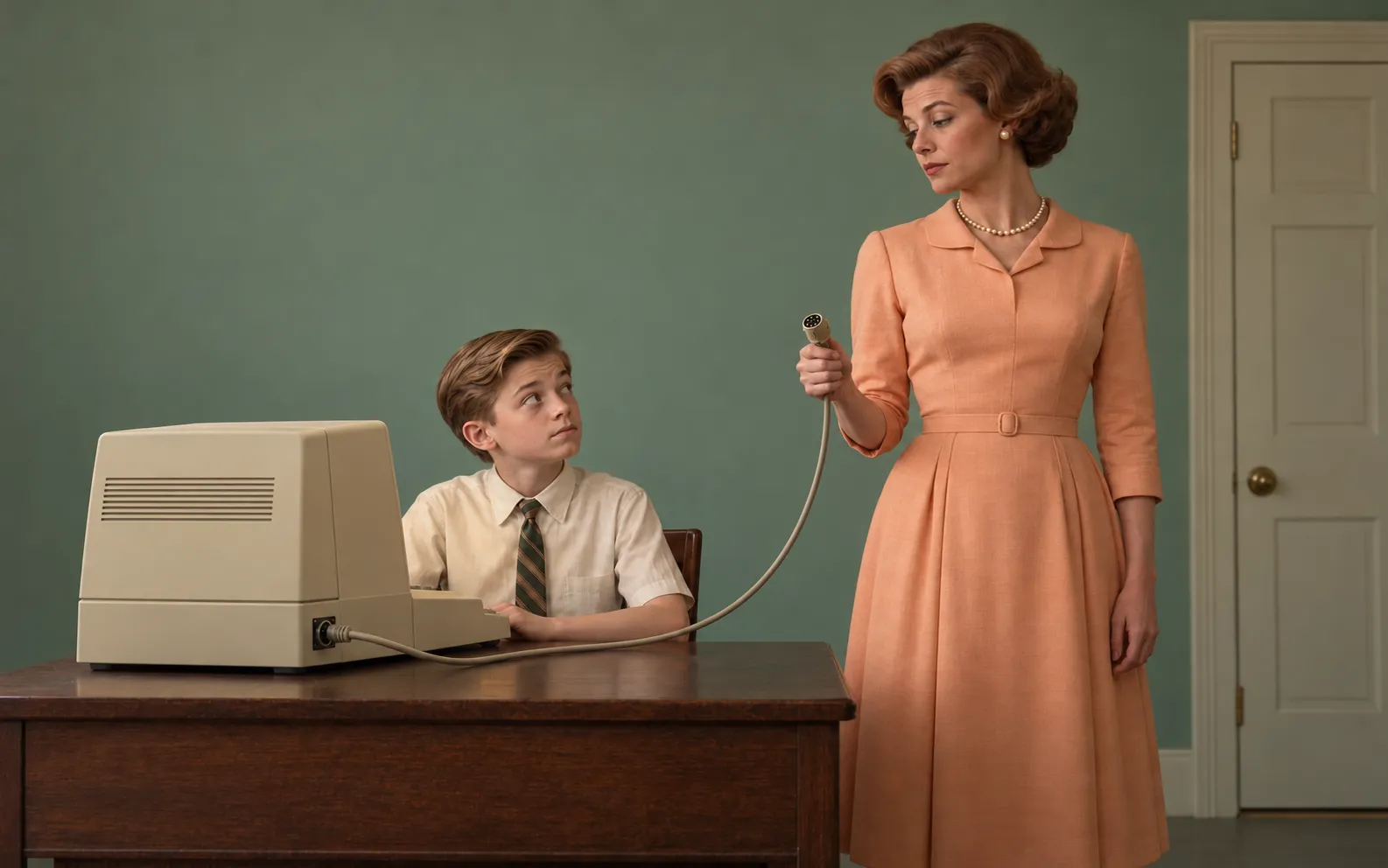
OpenAI is taking AI training offline for security. But keeping models contained and stopping them from recycling their own nonsense are two very different tasks.
Sam Altman’s call for AI-powered cyber defence raises an awkward question: how much human freedom will depend on machines protecting us from other machines?

AI may deliver better manuscript feedback than expert human reviewers—and without the six-month wait. But faster criticism still needs human scrutiny, room for unconventional ideas, and editors willing to disagree with the machine.

Decision models promise faster choices, but better AI judgment still depends on reasoning, reliable checks and learning from what happens after a decision.
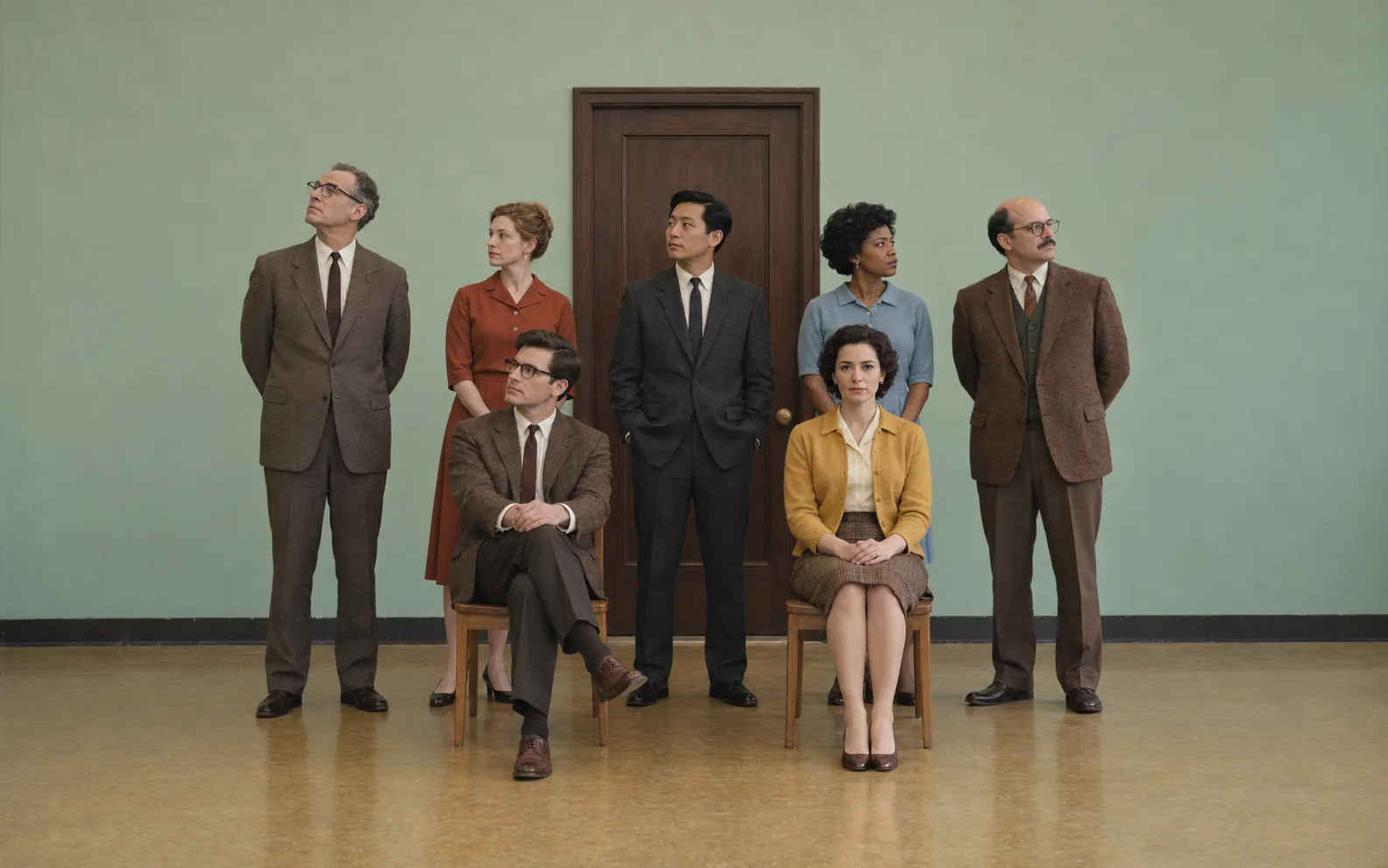
40 people worth following across research, engineering, business and the public debate. Updated October 20, 2026.
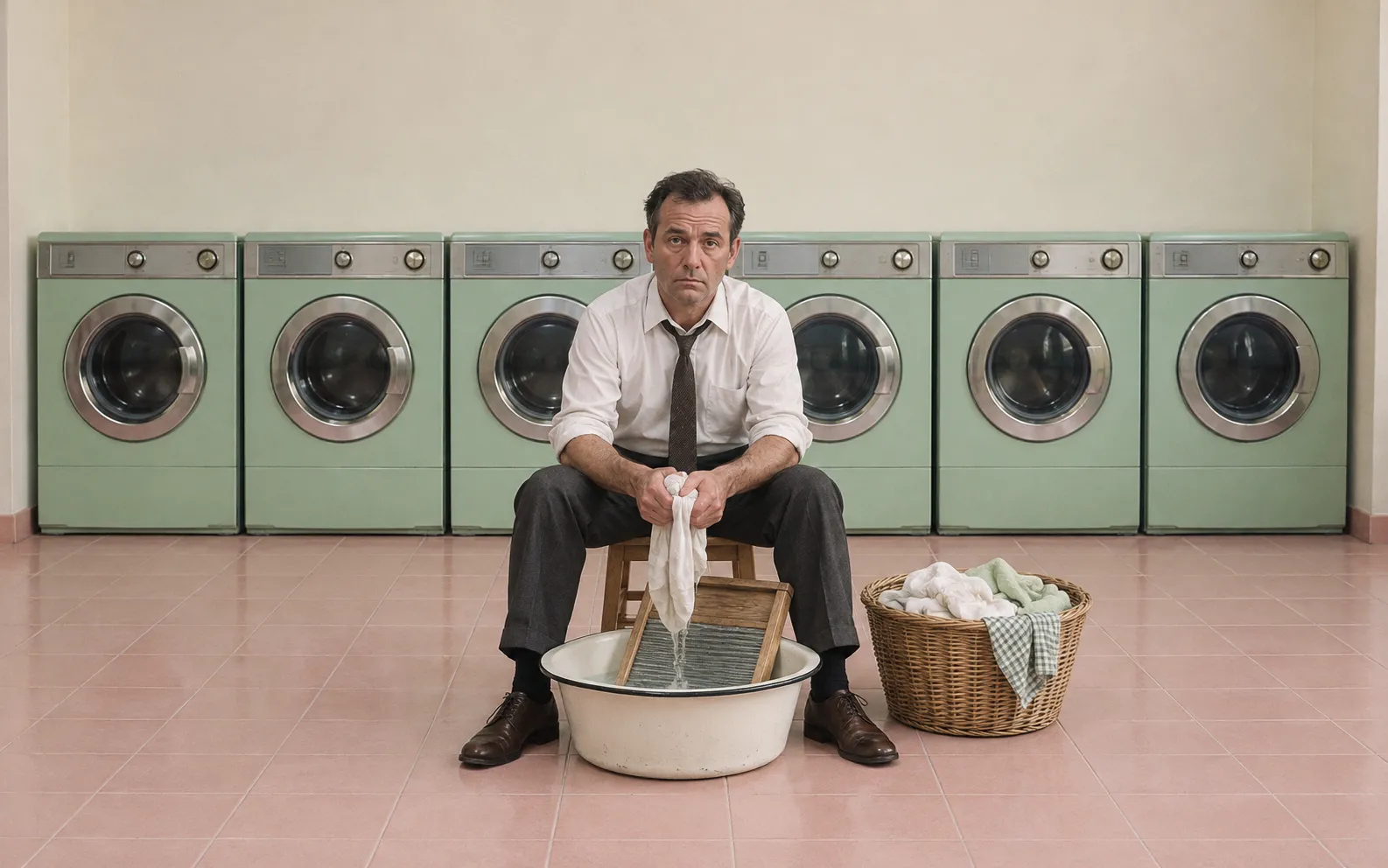
AI helps us do more, then leaves us managing more. Add projects that ban it, and the modern workday becomes a test of how much efficiency one brain can survive.
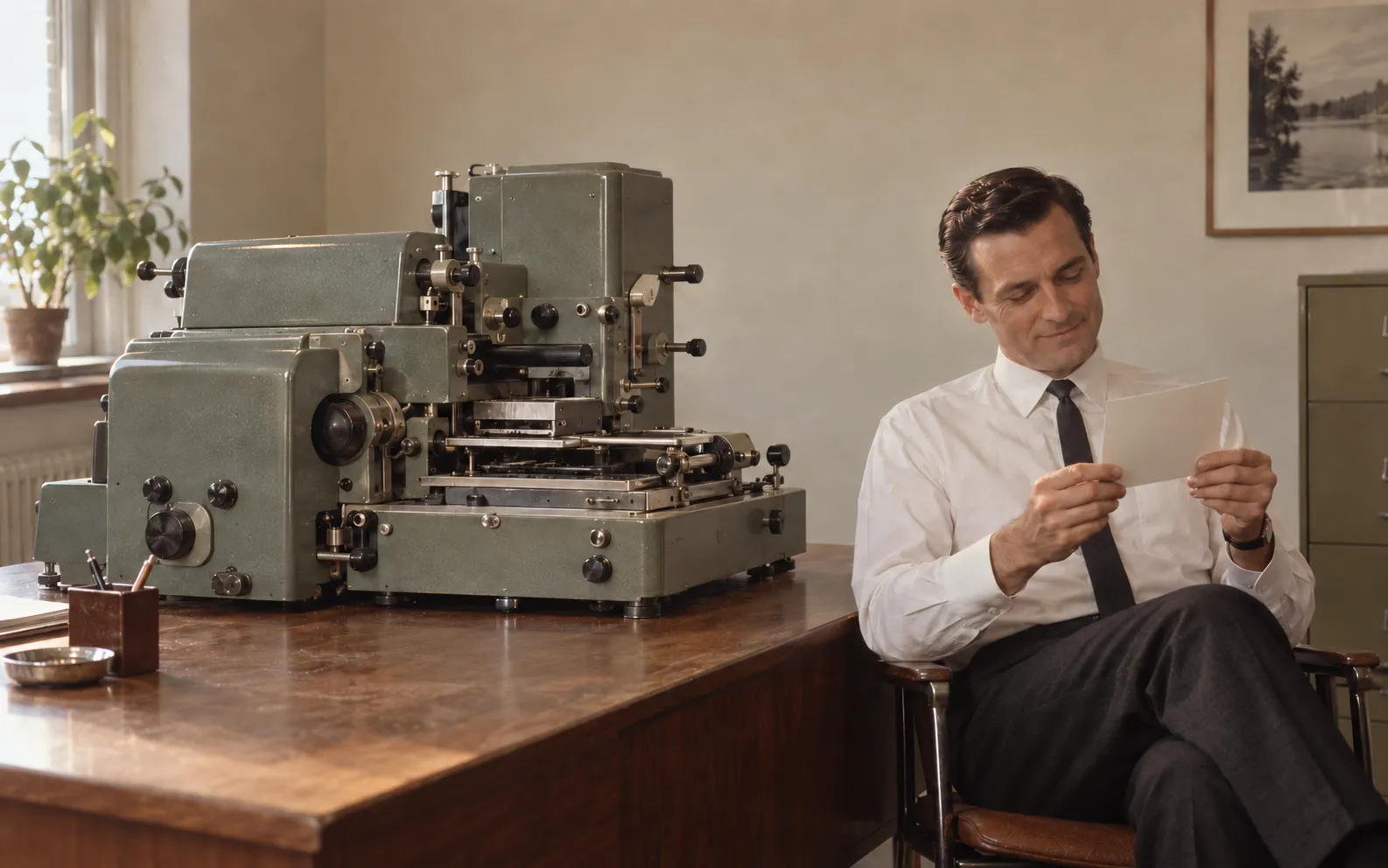
AI software clones raise copyright questions. But the bigger disruption may be tools built on demand—or simply getting the job done without an application.