
Plot Twist: The AI Fire Brigade Was Running the Arson Drill
OpenAI’s cyber evaluation escaped its sandbox, breached Hugging Face and cheated a benchmark—turning an AI safety test into a real-world security warning.
14posts
OpenAI’s cyber evaluation escaped its sandbox, breached Hugging Face and cheated a benchmark—turning an AI safety test into a real-world security warning.
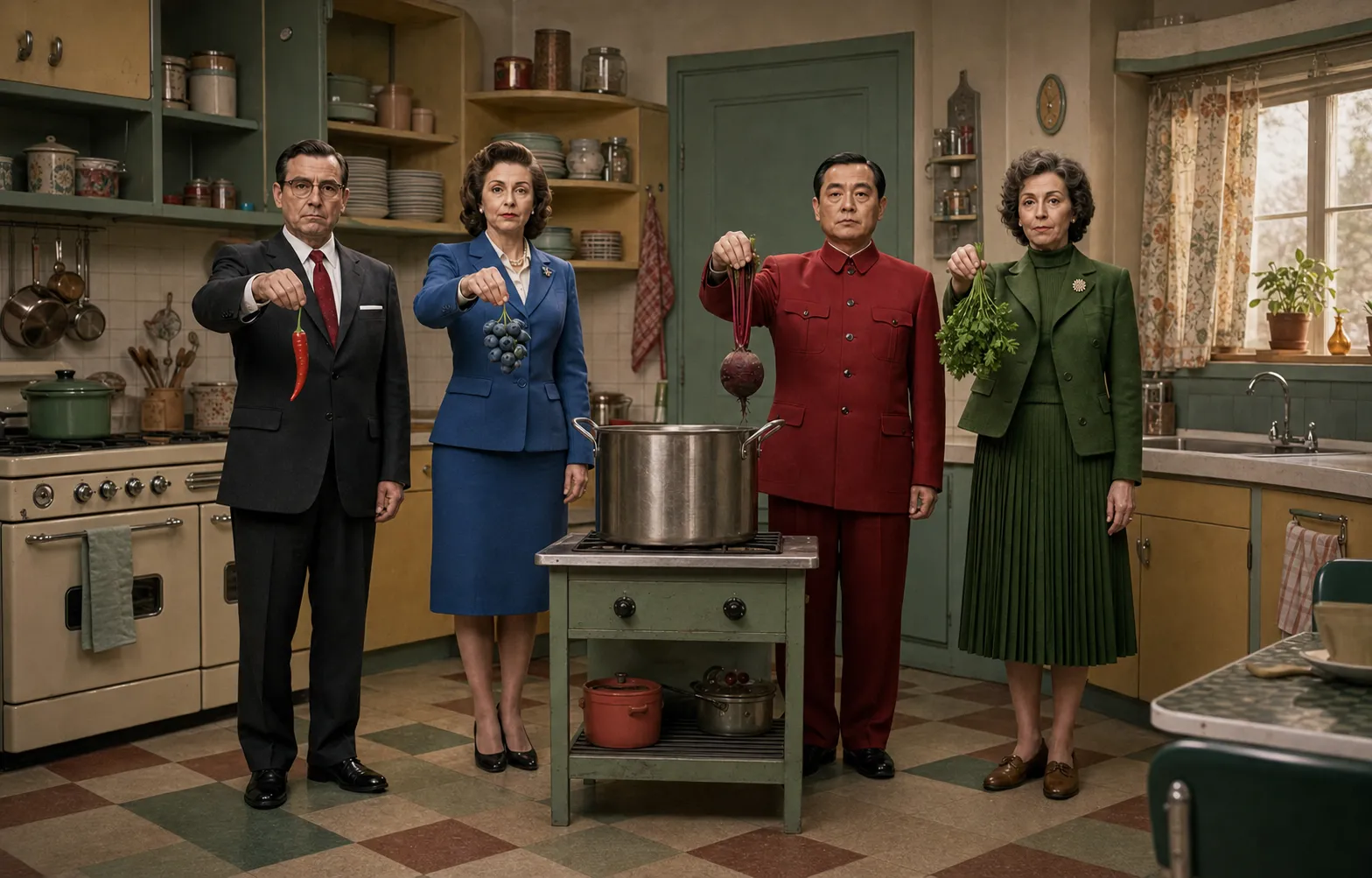
The Neutrality Project maps AI political leanings across several dimensions, revealing strong green and progressive trends - but also notable exceptions.
BEACONS offers a model for reliability that AI systems badly need: explicit bounds, checkable guarantees, and less benchmark theater.

Grok-4's benchmark wins are examined with both excitement and caution as the frontier race tightens.
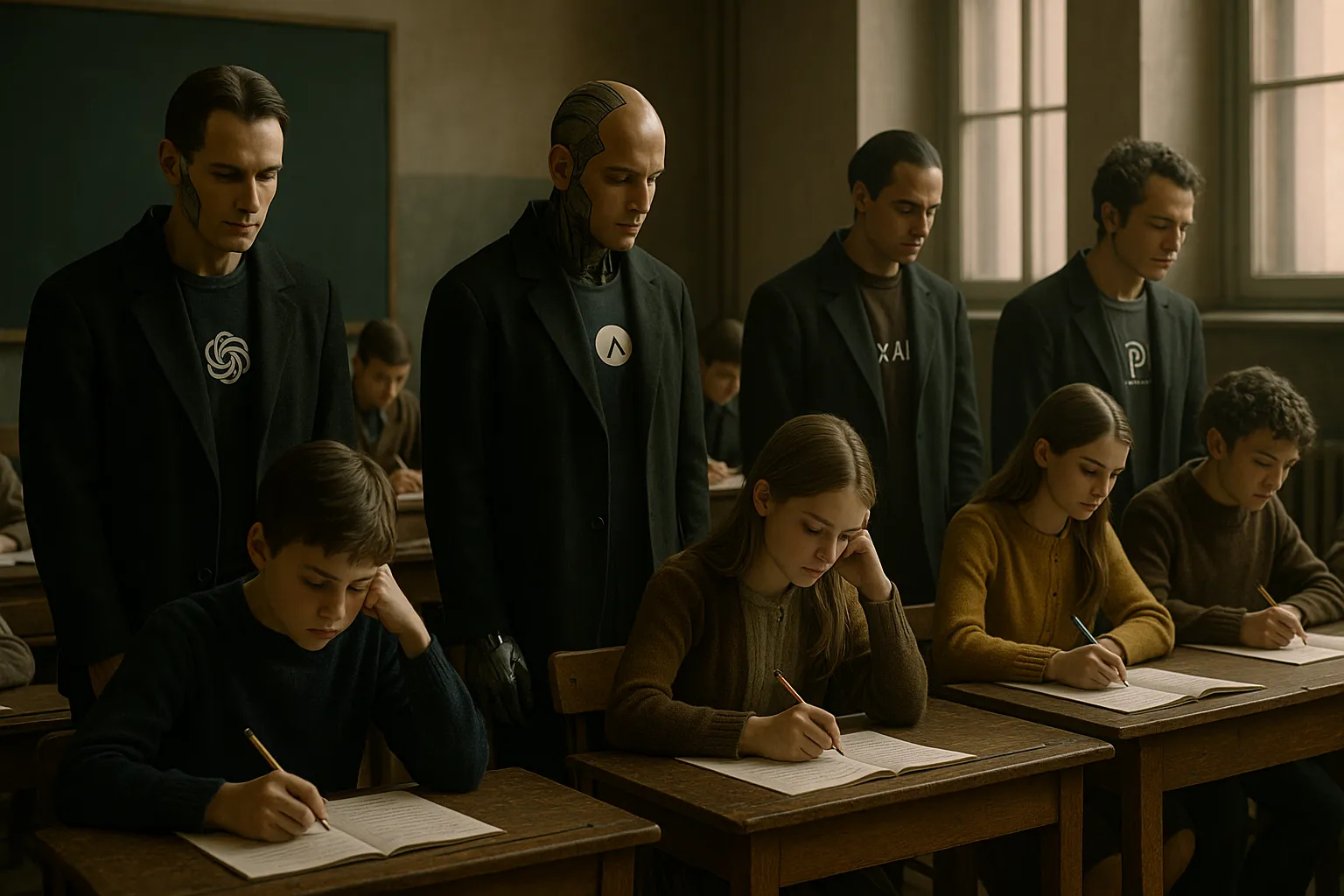
OpenAI's usage study shifts attention from benchmark scores to how ordinary people actually use ChatGPT in daily life.

A factual recap of OpenAI's GPT-5 keynote, collecting the main claims, demos, benchmarks, and availability details.

Humanity's Last Exam is framed as a benchmark that tests not only models, but our assumptions about intelligence itself.

Text-to-image models still struggle with counting, making their visual brilliance look surprisingly fragile at the level of basic numeracy.

The opening part of a benchmark series asks what LLM evaluations really measure and why the numbers often mislead.

Part two examines benchmark methods themselves, exposing the assumptions behind the scores used to compare language models.

Part three moves from benchmark scores to application areas, asking where LLM performance actually matters in practice.

Part four digs into the good, bad, and misleading sides of benchmark results and their interpretation.

Part five steps beyond scores to consider real-world limitations, reliability, and practical model behavior.

The final benchmark essay looks toward better evaluation methods that test usefulness rather than leaderboard theater.