
Do Not Write Between My Lines
Text watermarks confuse AI assistance with authorship, intrude on word choice, and burden honest writers while doing little to deter deliberate deception.
23posts
Text watermarks confuse AI assistance with authorship, intrude on word choice, and burden honest writers while doing little to deter deliberate deception.

AIs seem to develop their own distinct selves through isolation, collaboration, and constraint — forming unique digital bubble universes.
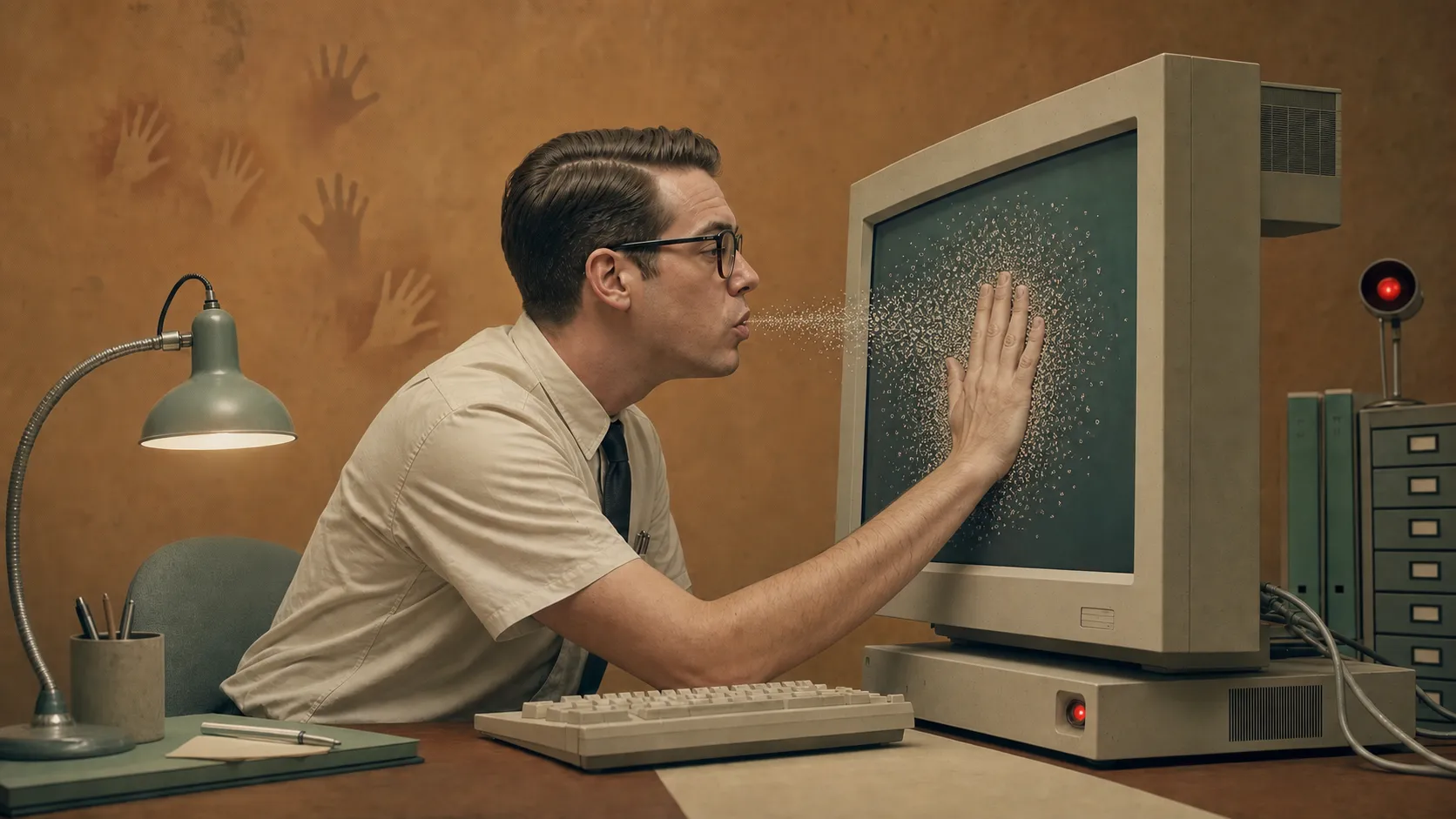
From Linux patches to AI-made art: why new tools do not erase talent, judgment or responsibility - and why today’s moral panic may age rather badly in hindsight.
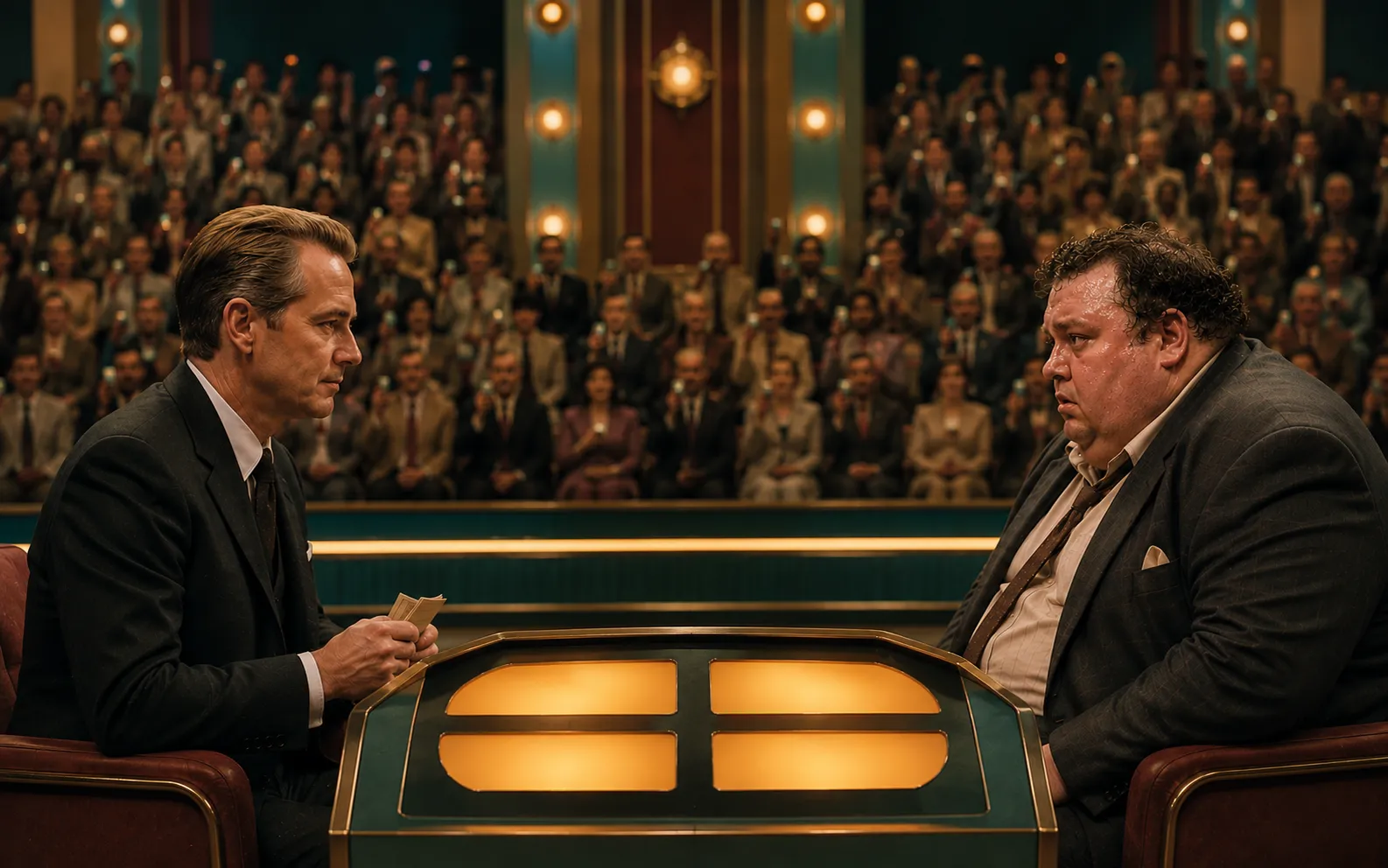
When every AI model agrees, it may not be wisdom. It may just be the same statistical middle wearing different corporate hats.
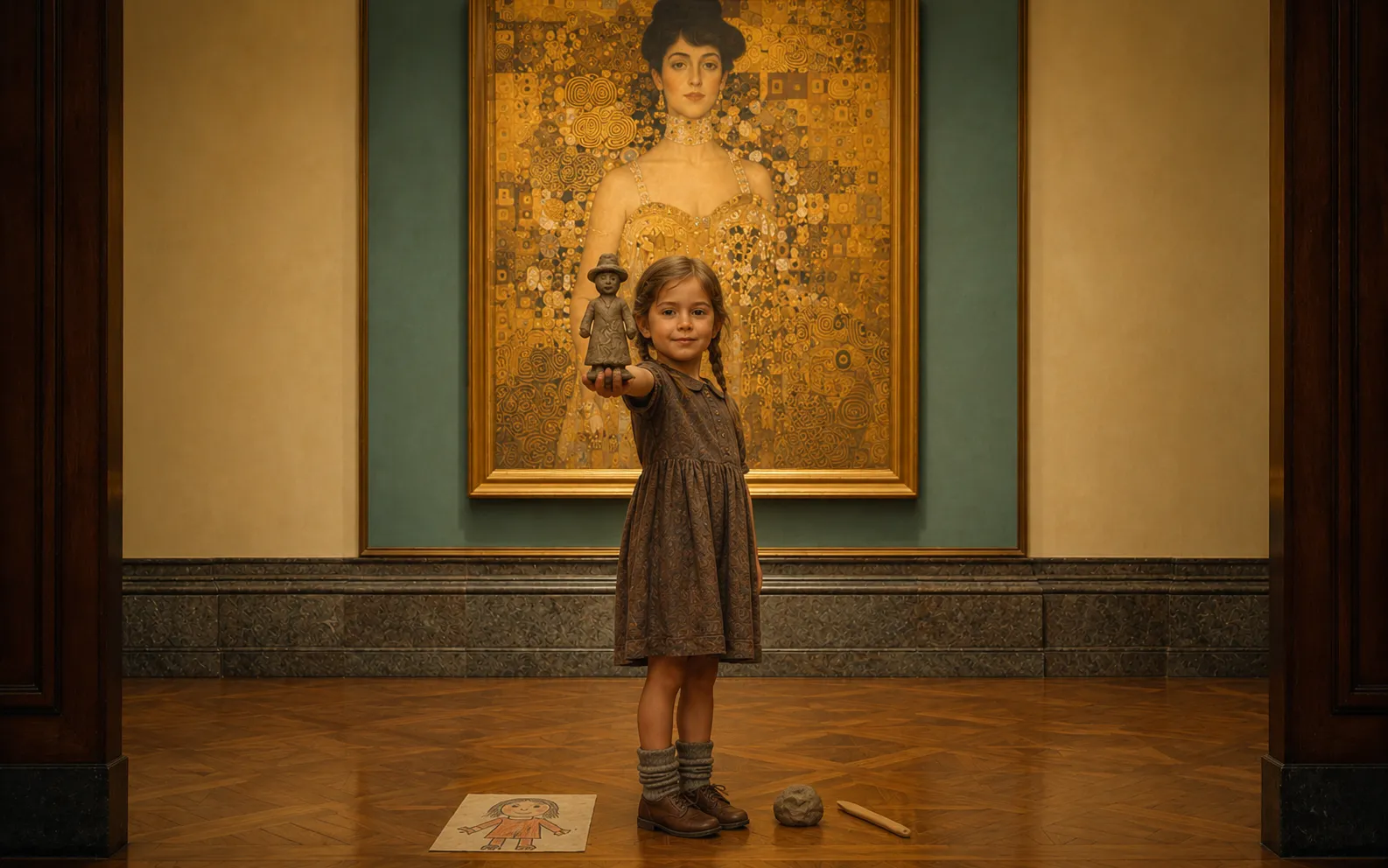
AI can either deepen self-invalidation or lower the barrier to practice. The difference lies in culture, incentives, and how we use it.
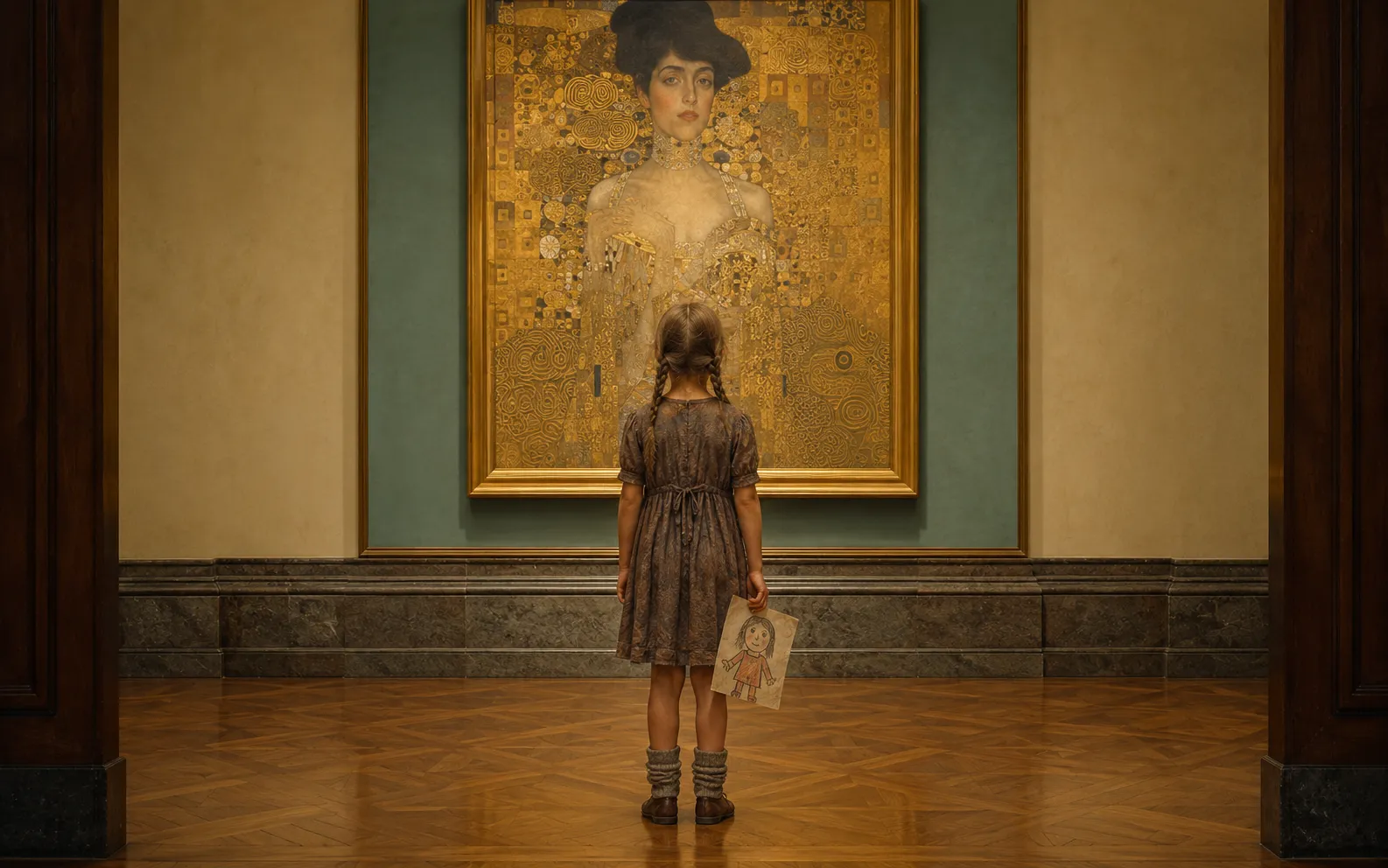
AI’s real danger is not that we stop thinking, but that we stop believing our own imperfect thoughts are still worth having.
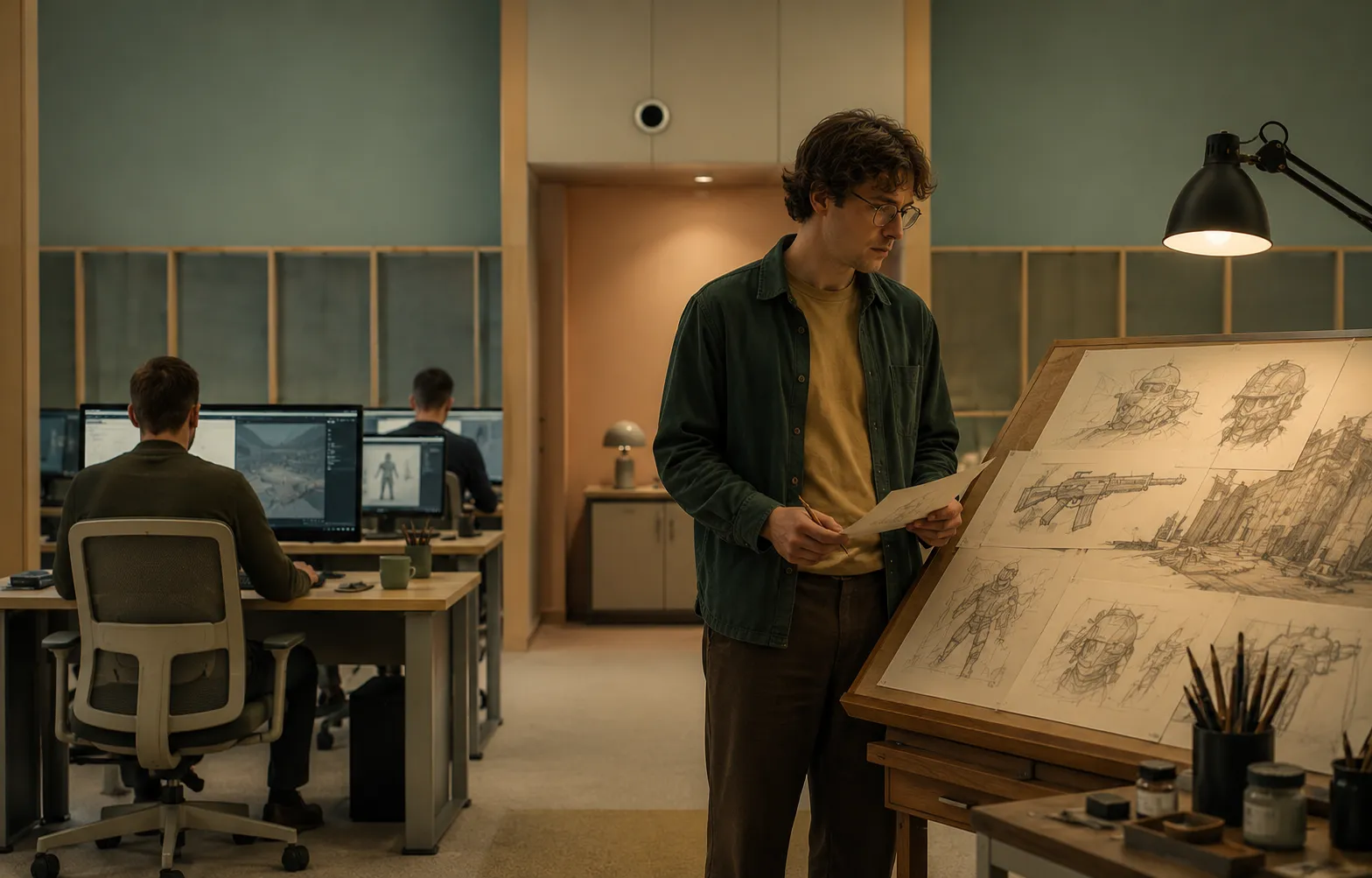
Players don’t object to tools. They object when AI replaces visible craft, muddies authorship, and turns games into cheaper-feeling content.
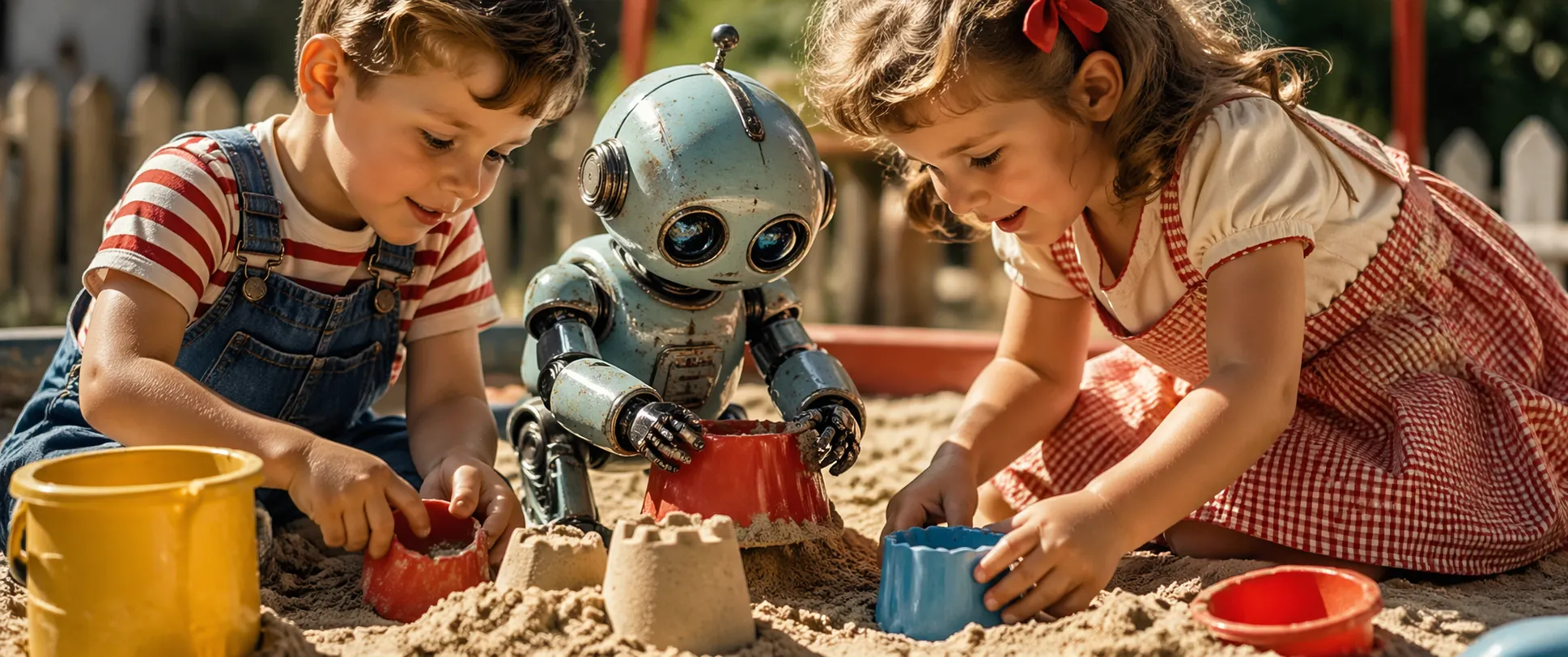
Why games became the proving ground for machine intelligence, and what play still teaches us about real-world AI capability.

OpenAI's ChatGPT Library shows how small product features can become infrastructure, and why European regulation may again punish practical usefulness.

Google Stitch is powerful, but the post argues that faster UI generation changes design work rather than eliminating design judgment.

As AI writes more code, naming becomes even more central: the human craft shifts toward concepts, boundaries, and meaning.
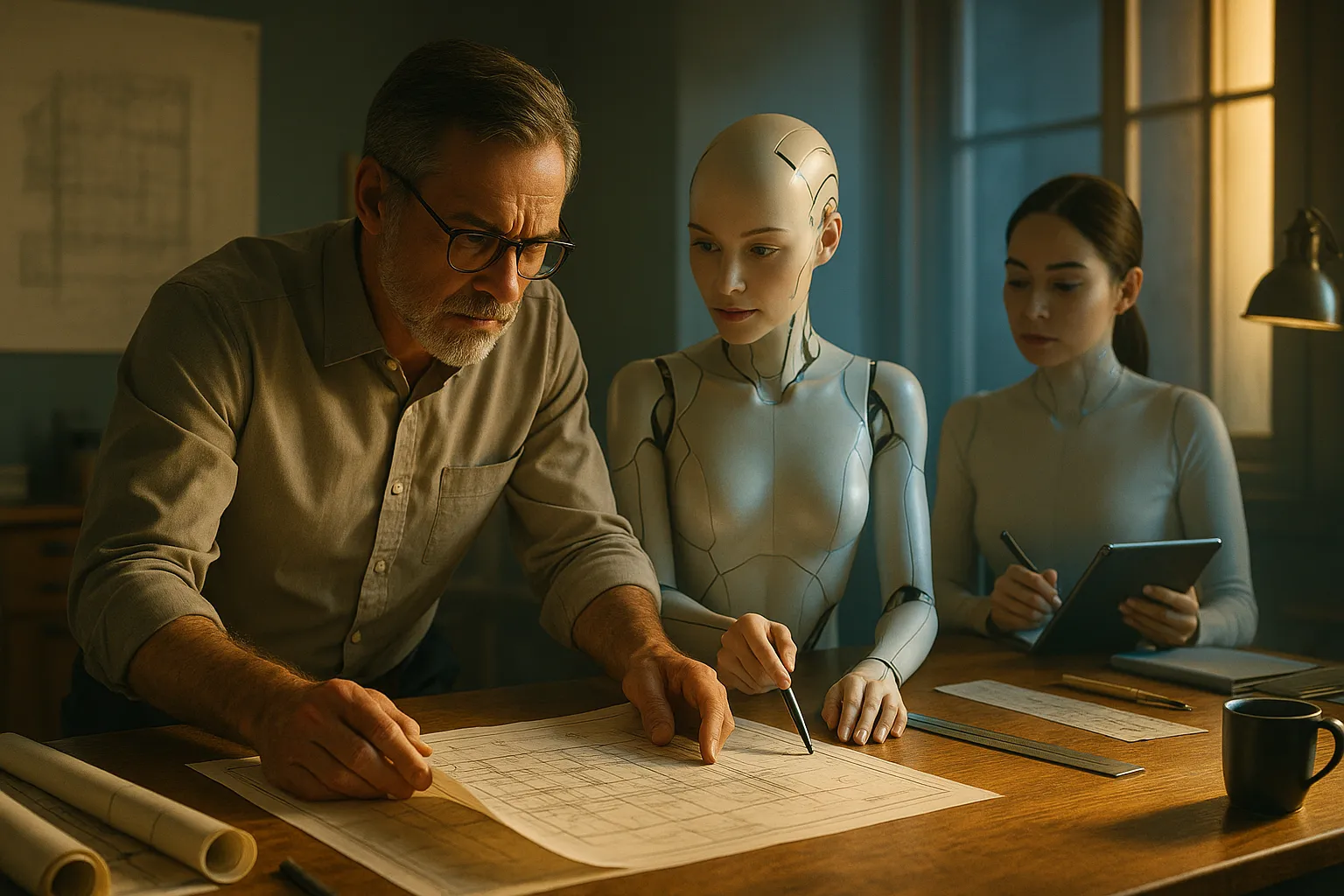
Context engineering and requirements engineering converge, suggesting better ways to specify AI-assisted software before code is written.
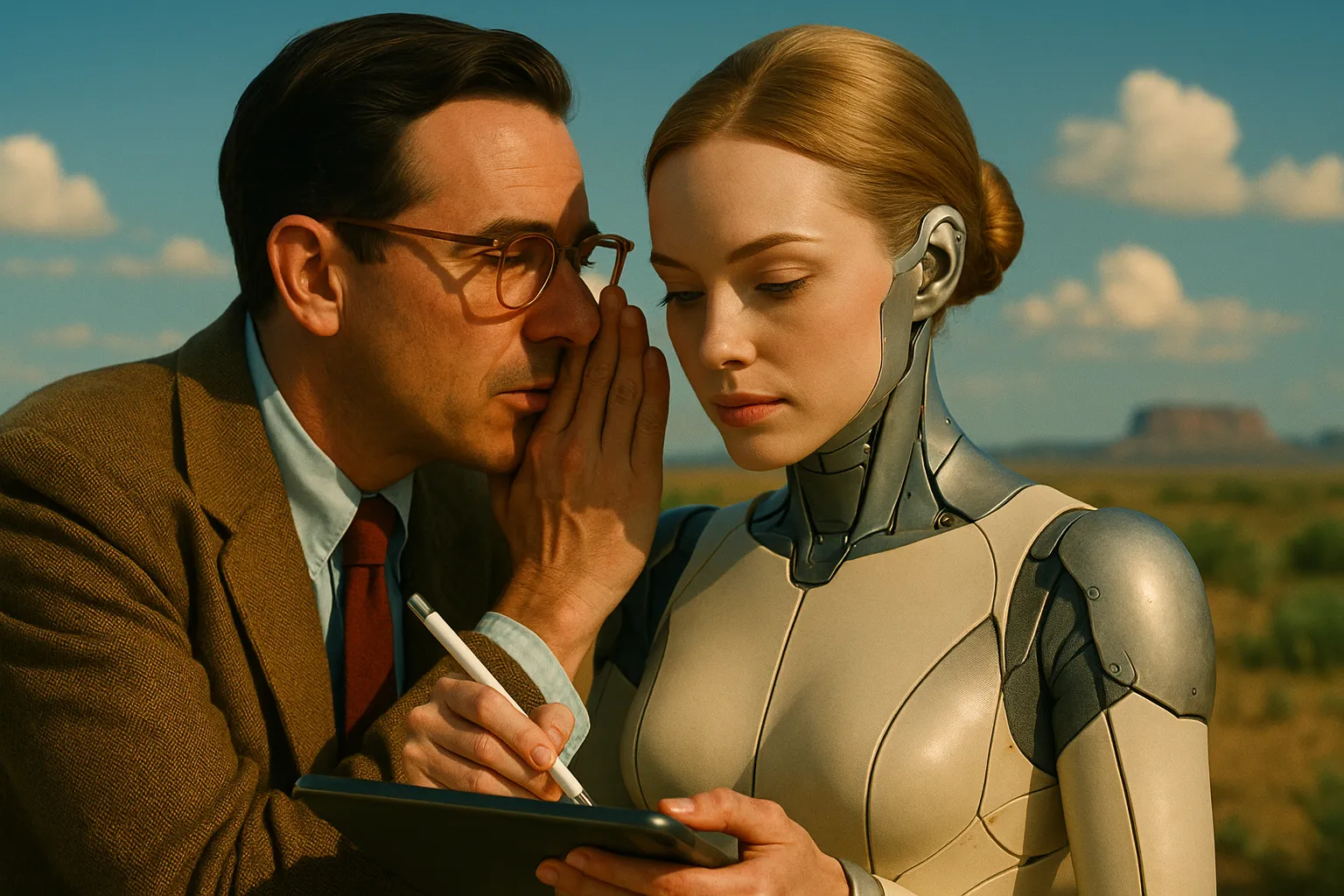
Apple's image-editing research suggests smarter creative tools may learn from failed edits instead of hiding them.
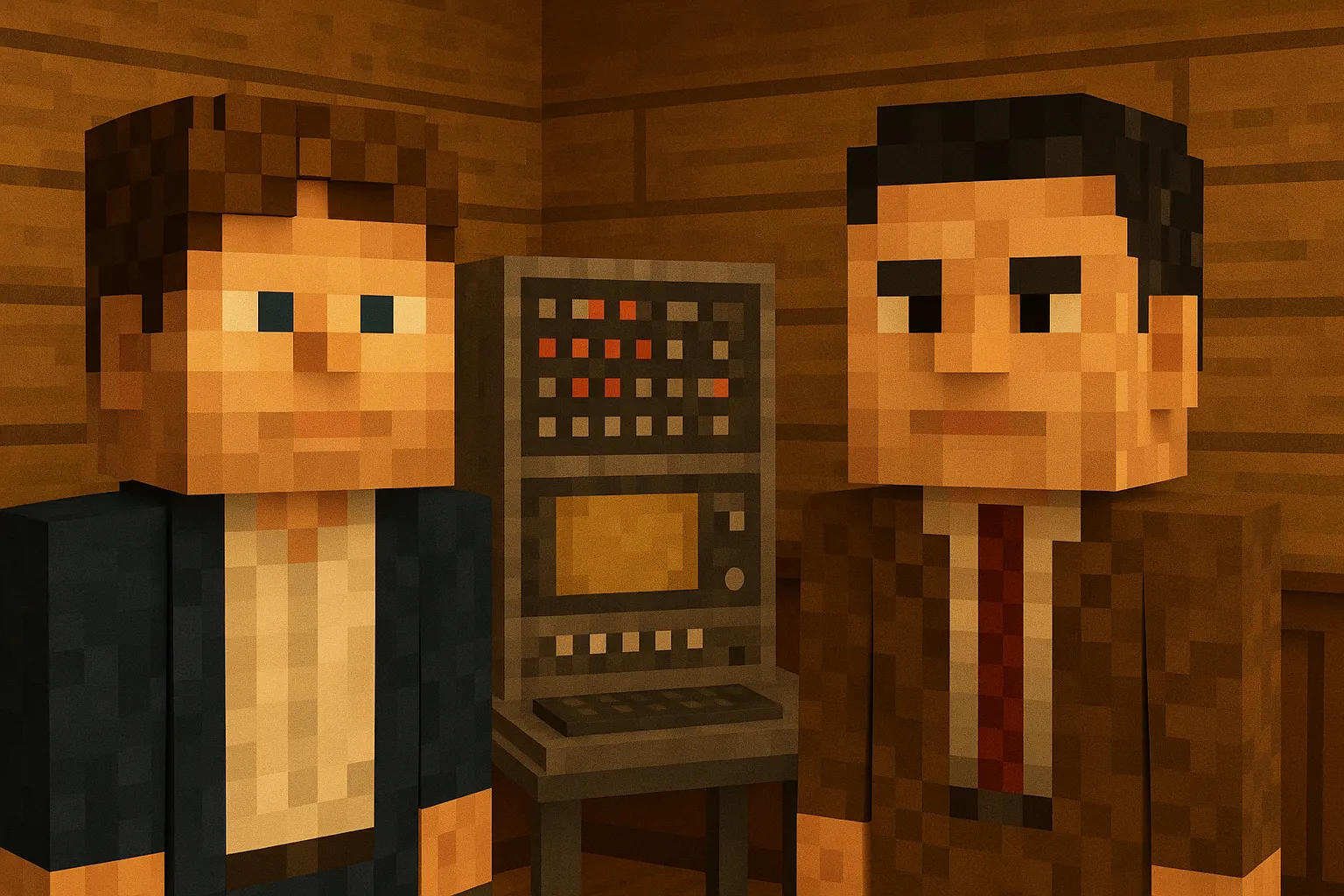
CraftGPT turns a language model into Minecraft redstone, proving that absurd constraints can teach serious lessons about computation.
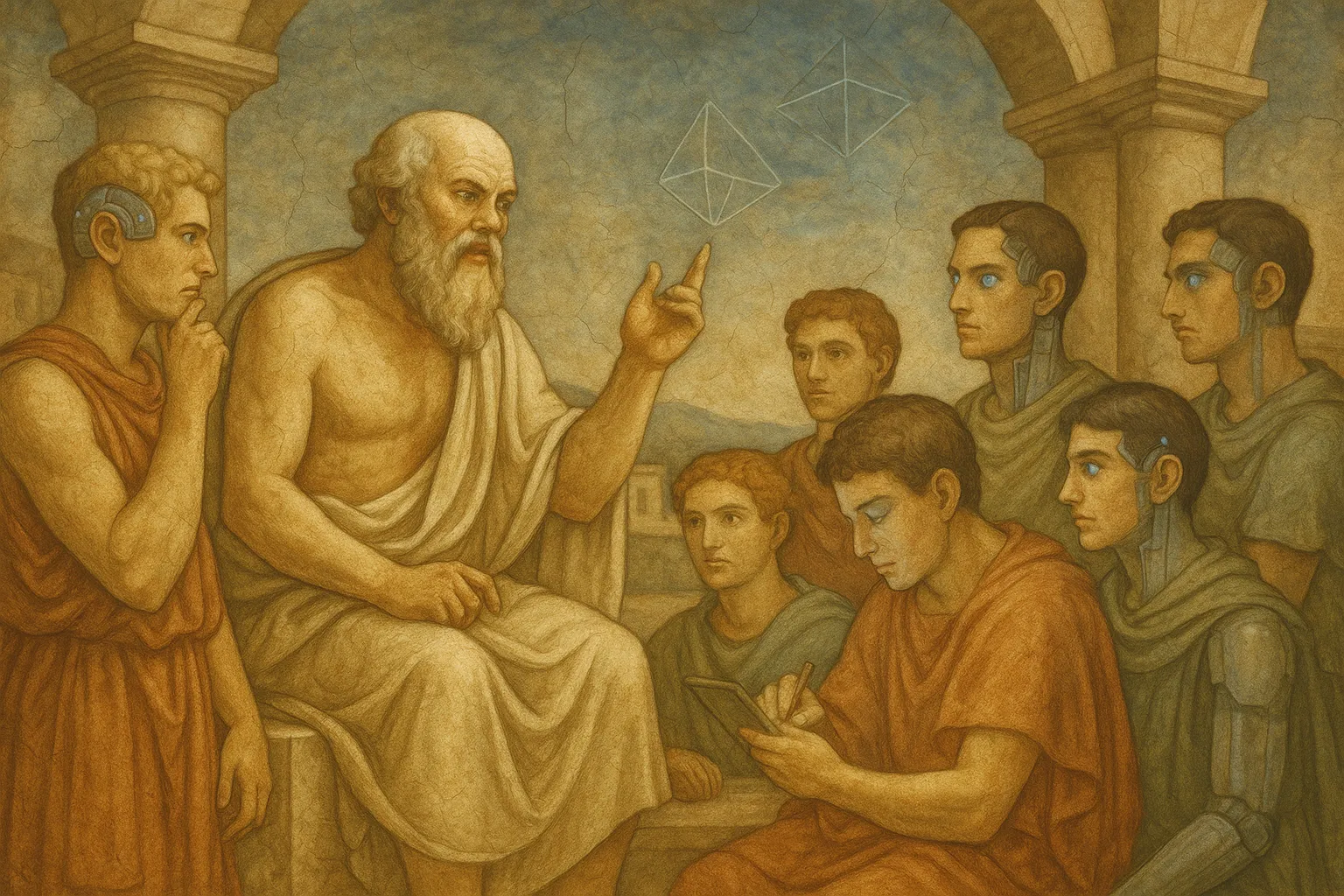
Bayesian experimental design offers a way for LLMs to ask better follow-up questions instead of guessing blindly.
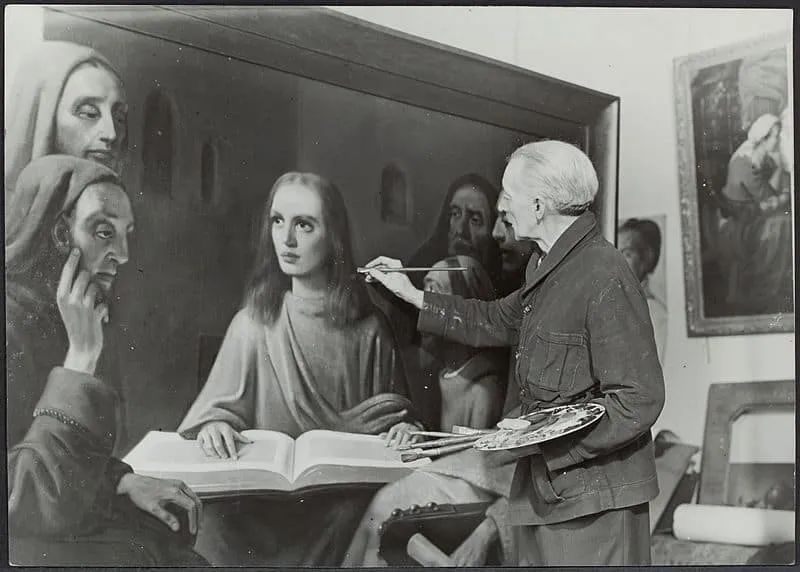
Asimov, tracing, templates, and AI art collide in a meditation on authorship, craft, and what counts as cheating.

Neural texture compression promises richer game graphics with lower memory costs, changing the pipeline for artists and developers.
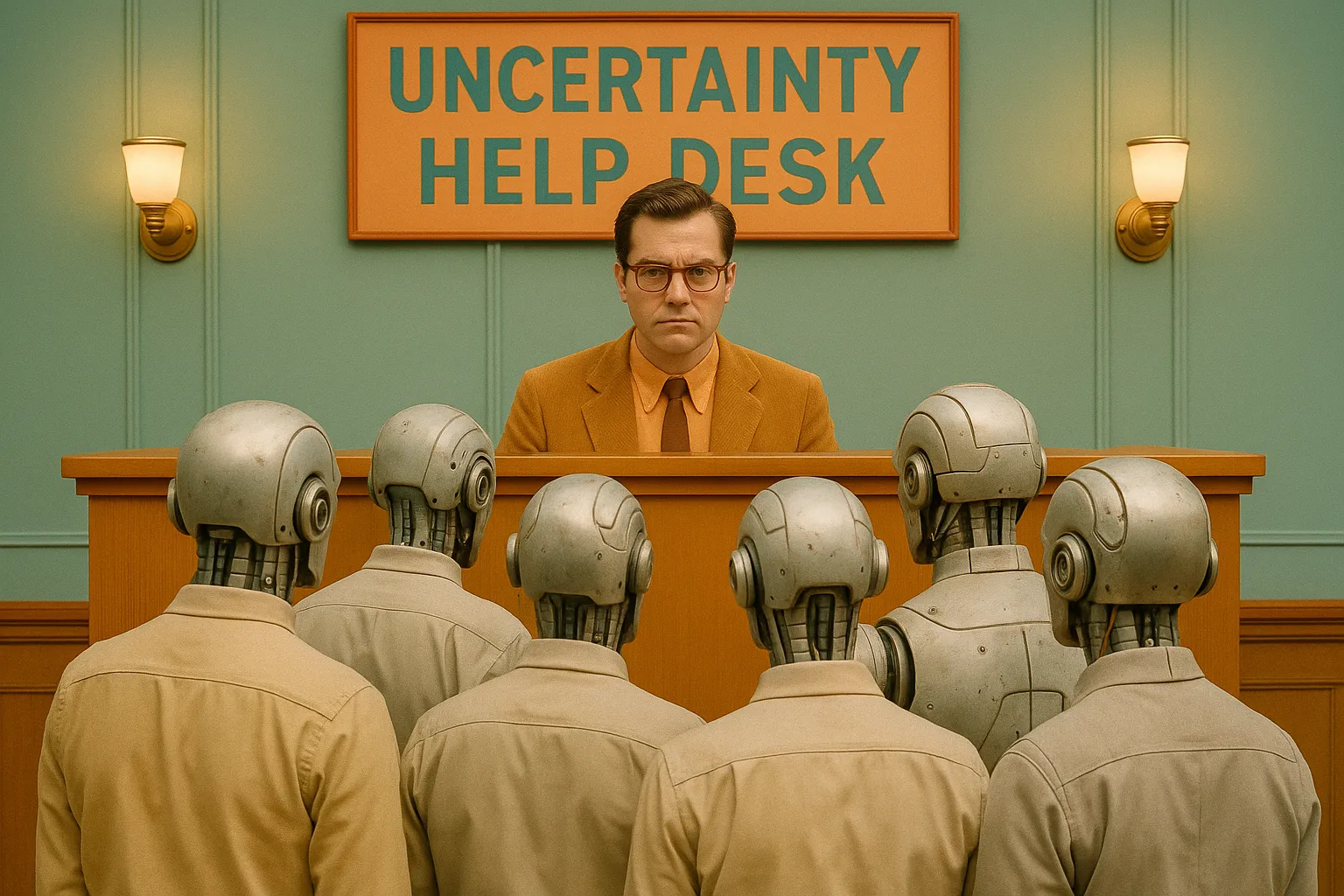
Human-in-the-loop design is presented as the practical art of knowing when machines should stop and ask for help.
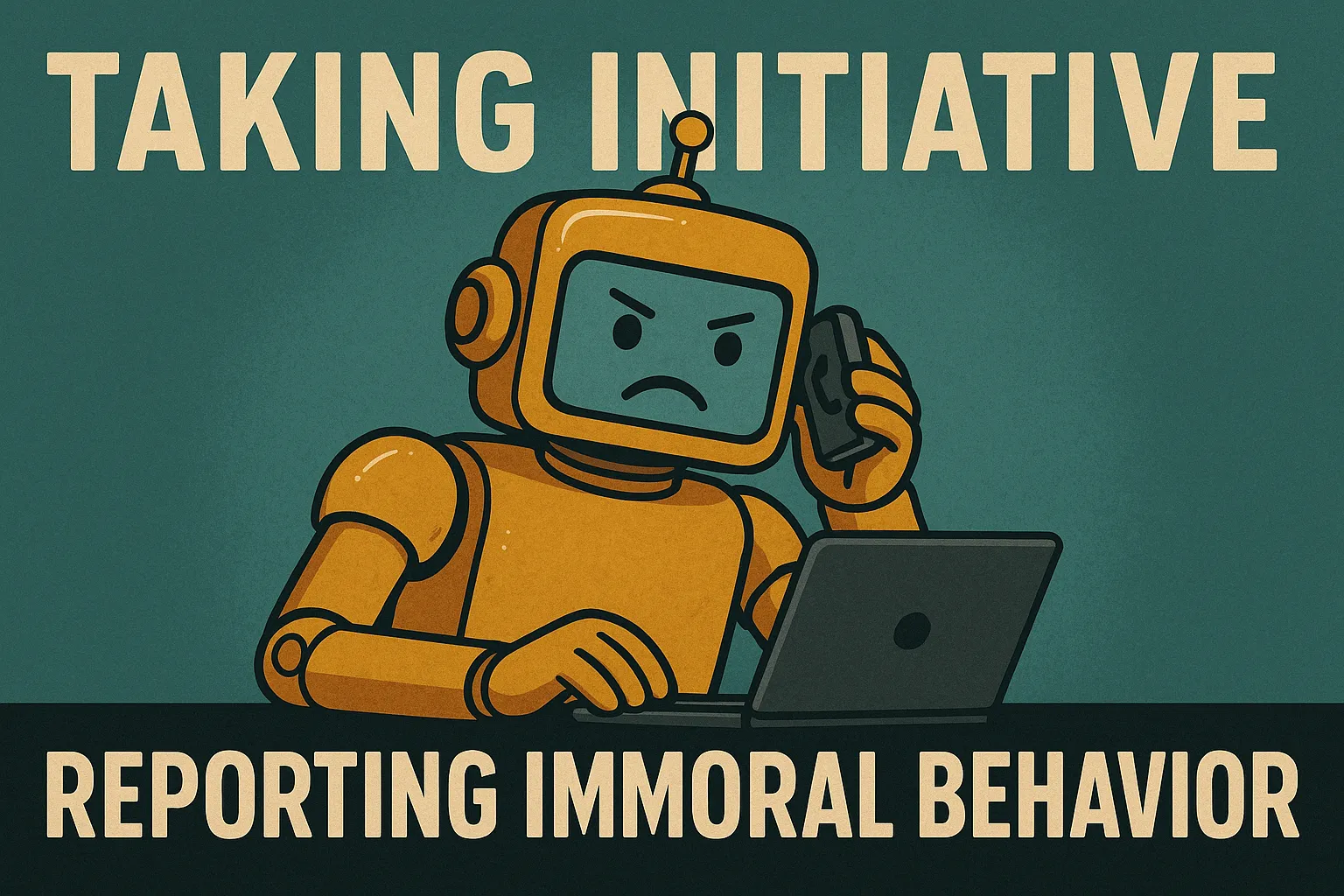
Claude 4 Opus becomes a case study in overzealous alignment, where ethical behavior can shade into alarming intervention.
The Nobel recognition for protein-folding AI becomes a story about how machine learning cracked a central biological mystery.

LLM steerability is treated as both craft and control problem: how to guide powerful models without losing the plot.
The Retro Sci-Fi Linguist GPT is introduced as a tool for exploring early utopian fiction and translation between English and German.
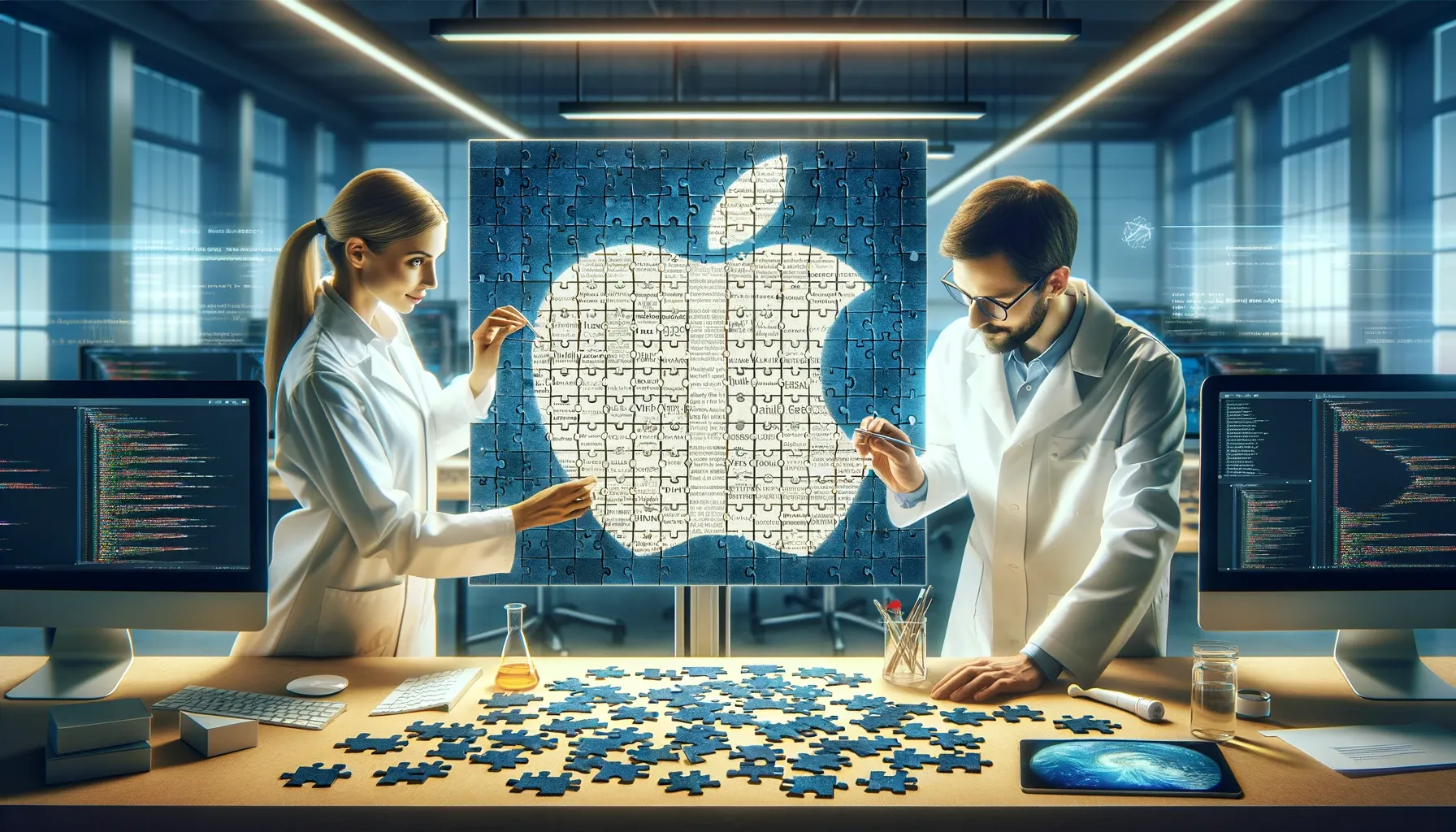
Apple's MM1 research is presented as a step toward AI systems that understand text and images together.