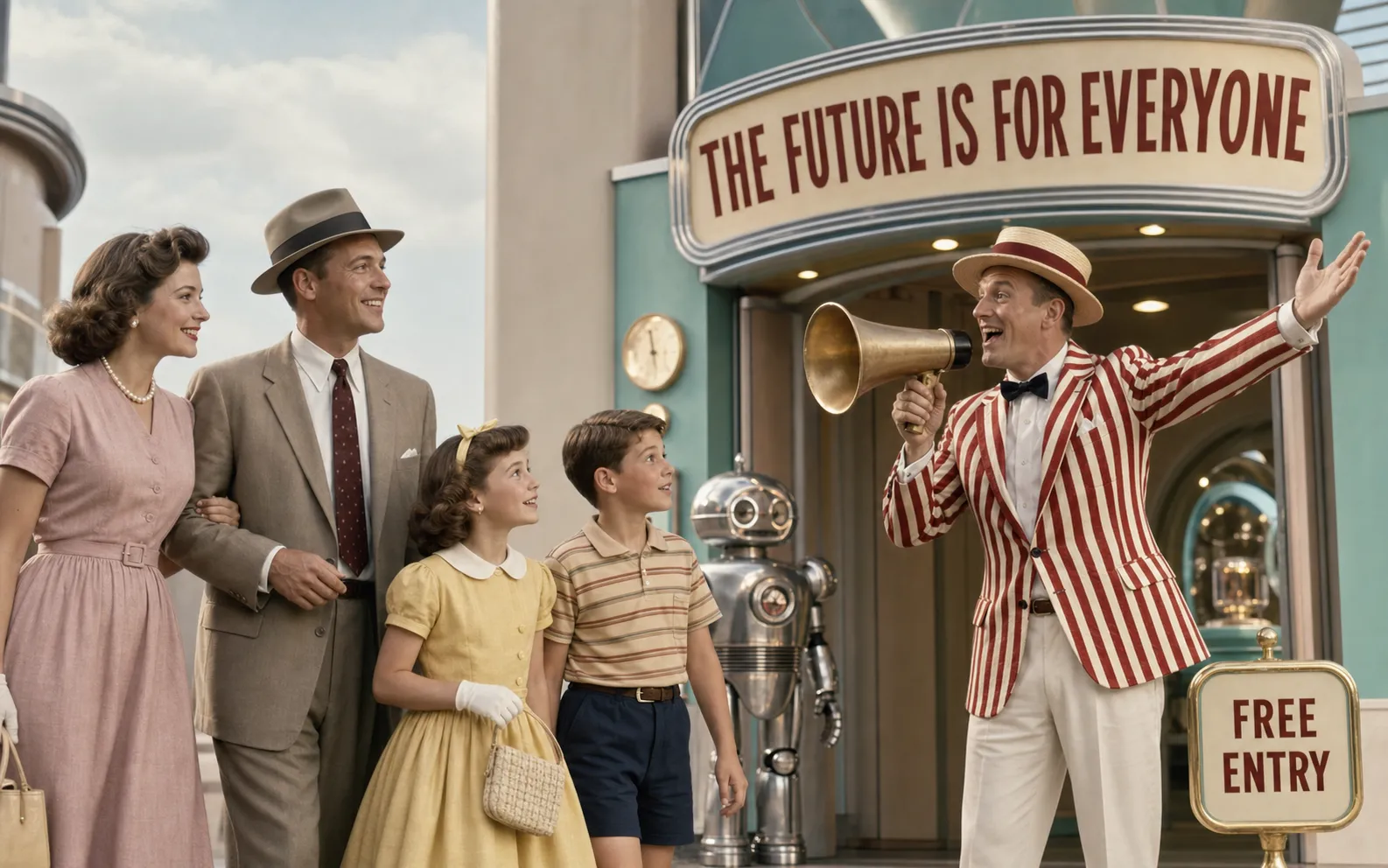
The Future Is for Everyone (Terms and Conditions Apply)
Zuckerberg says AI’s future should belong to everyone. I agree—but only if access, power, privacy and accountability are truly shared, not merely promised.
15posts
Zuckerberg says AI’s future should belong to everyone. I agree—but only if access, power, privacy and accountability are truly shared, not merely promised.
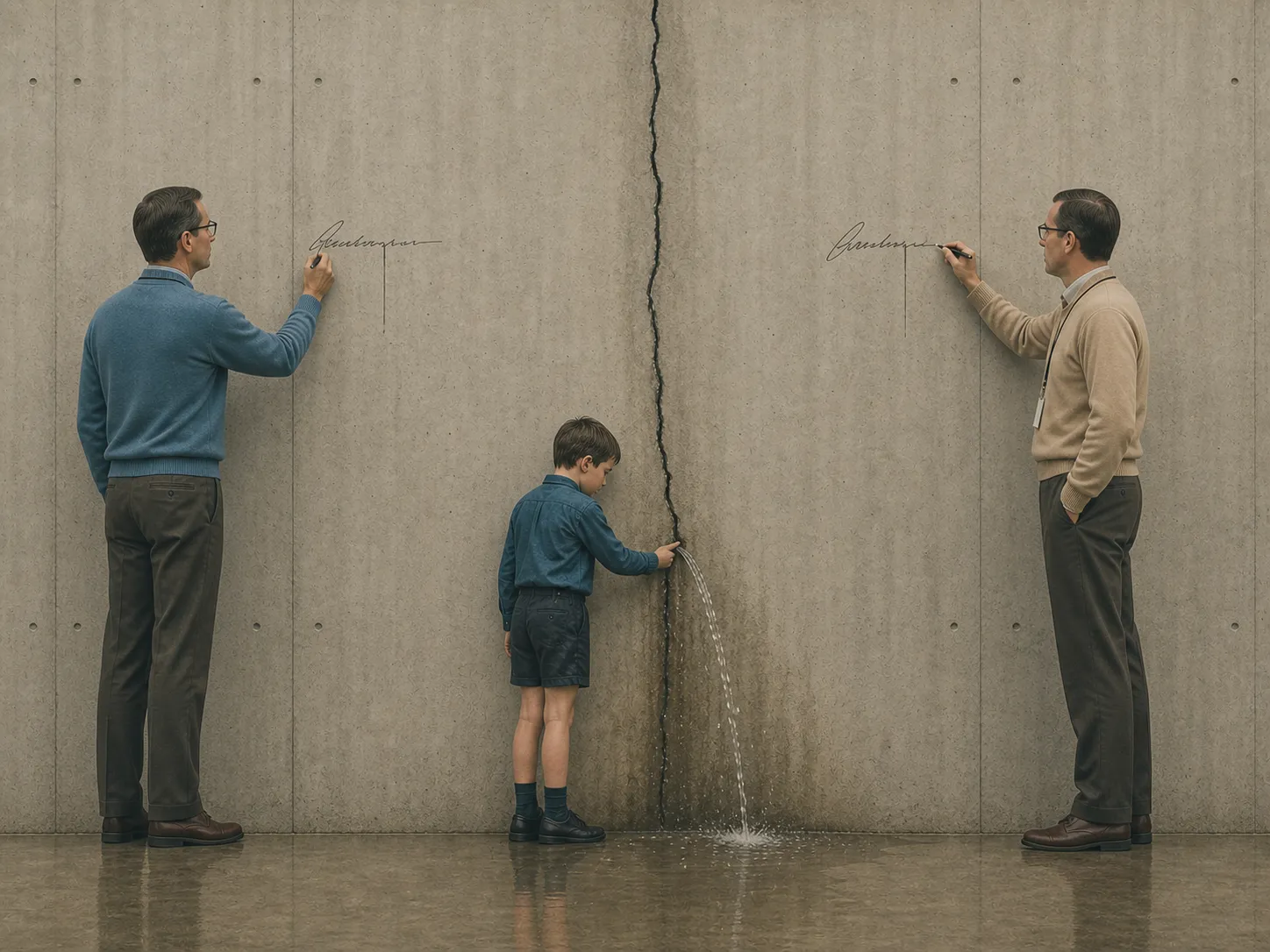
AI insiders ask government to prepare a brake. SpaceXAI’s absence exposes the gap between signing for restraint and bearing the real costs of slowing down.

Jensen Huang’s first X post was no hello—it was a bid to shape AI policy, champion open models and sovereignty, and expand NVIDIA’s global compute market.
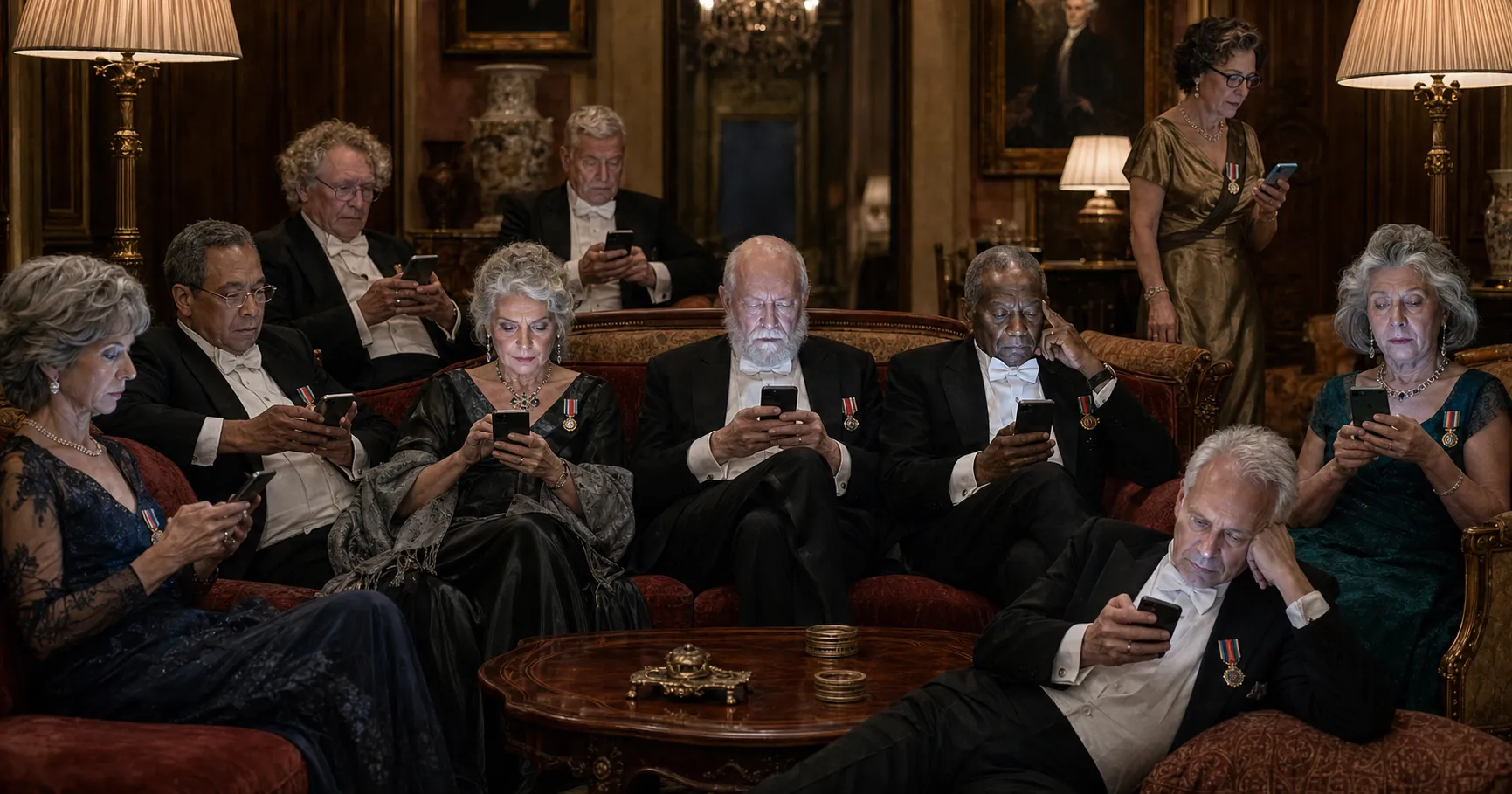
AI’s prophets discover job loss when it reaches PowerPoint. A four-sentence manifesto demands action—while carefully avoiding who must act, and how.
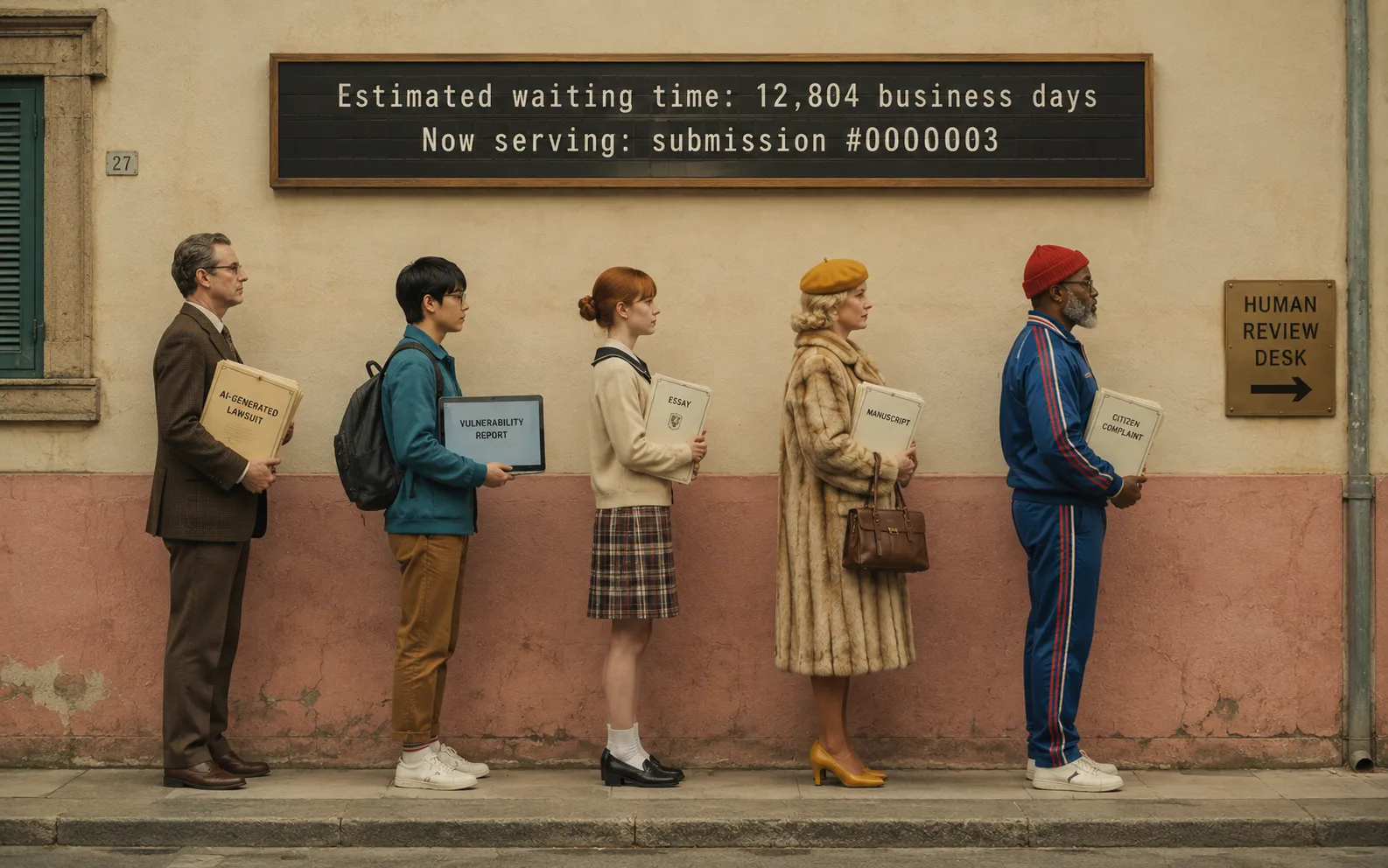
AI makes participation cheap, but verification stays expensive: courts, maintainers, editors, and teachers now drown in plausible paperwork.
Ben Sasse becomes a lens for thinking about abundance, education, character, and the human disciplines AI cannot supply for us.

Agent gateways feel risky because they connect communication, identity, and action, turning ordinary automation mistakes into cross-platform exposure.
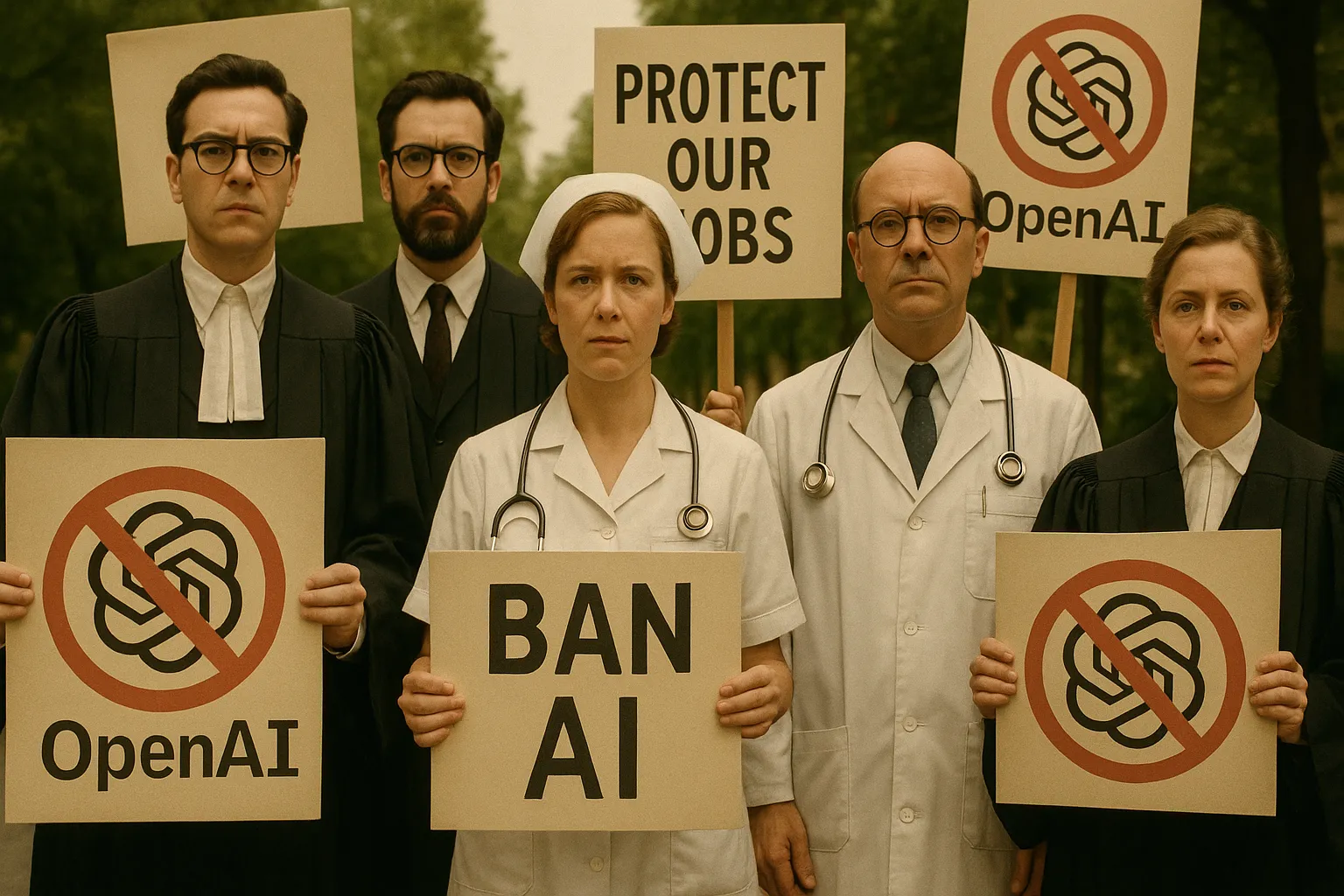
OpenAI's policy restrictions are challenged as safety theater when useful knowledge becomes gated behind vague institutional caution.
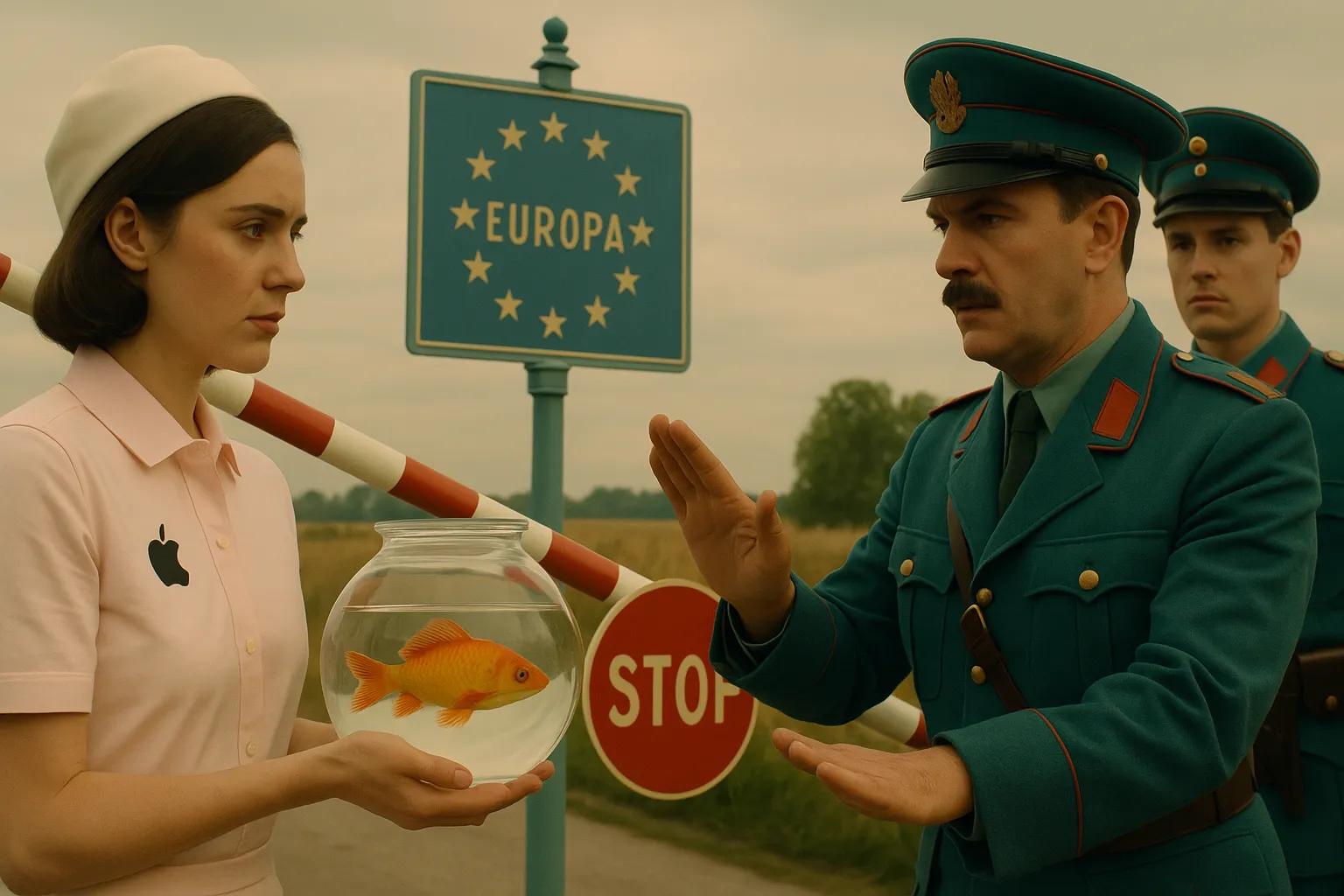
Apple's unavailable AirPods translation feature becomes another example of European regulation turning consumers into collateral damage.
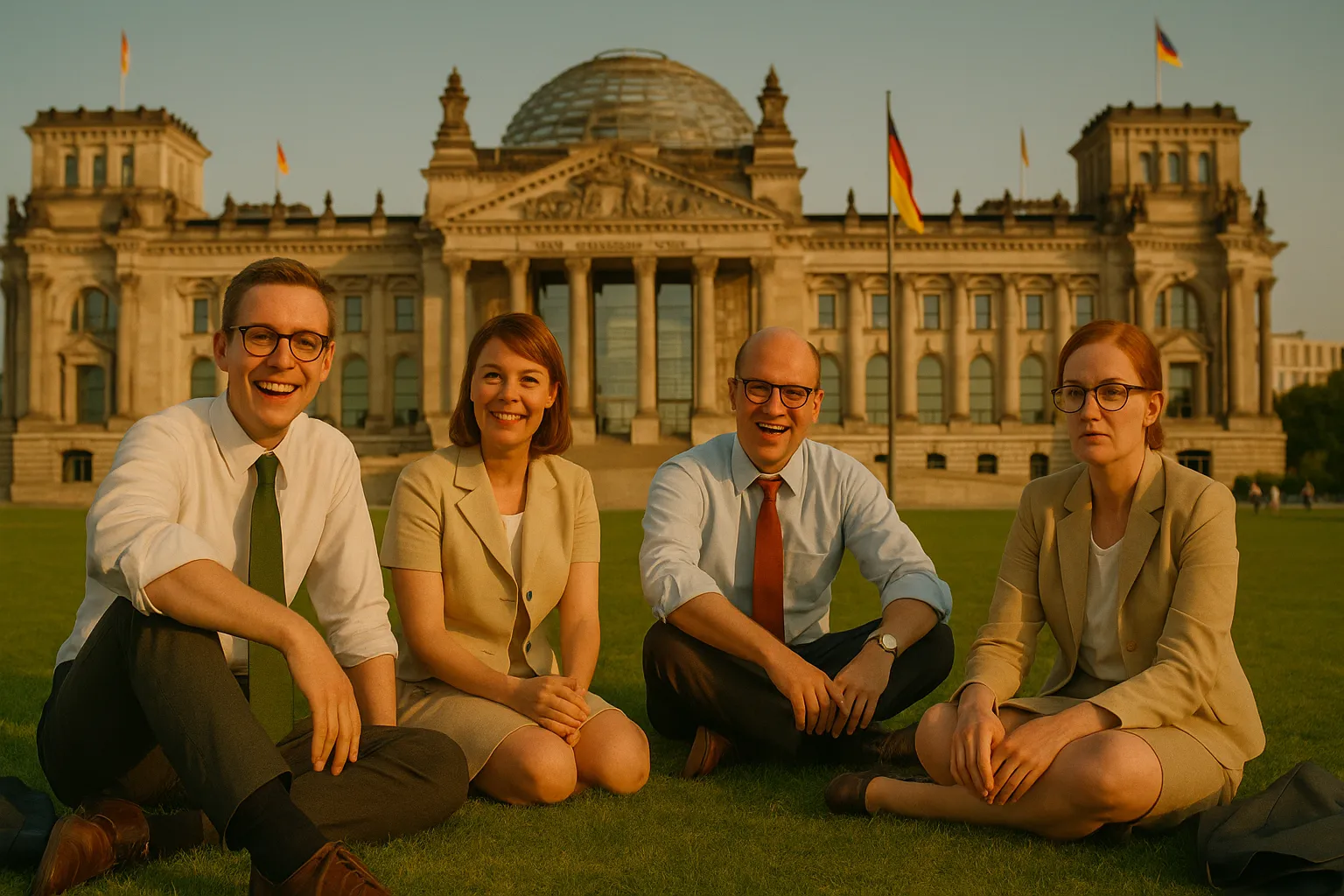
OpenAI for Germany is criticized as another sovereign-cloud spectacle that may ignore the boring needs of actual citizens.

OpenAI's one-dollar federal deal looks generous, but it also plants ChatGPT deep inside public-sector workflows.

The threat to journalism may not be Google summaries alone, but AI systems evolving into publishers, editors, and distributors.

Instead of exotic regulation, the post argues AI risk management should borrow from ordinary accountability for human employees.

Sam Altman's GPT-5 comments become a starting point for thinking about what better models may actually change.
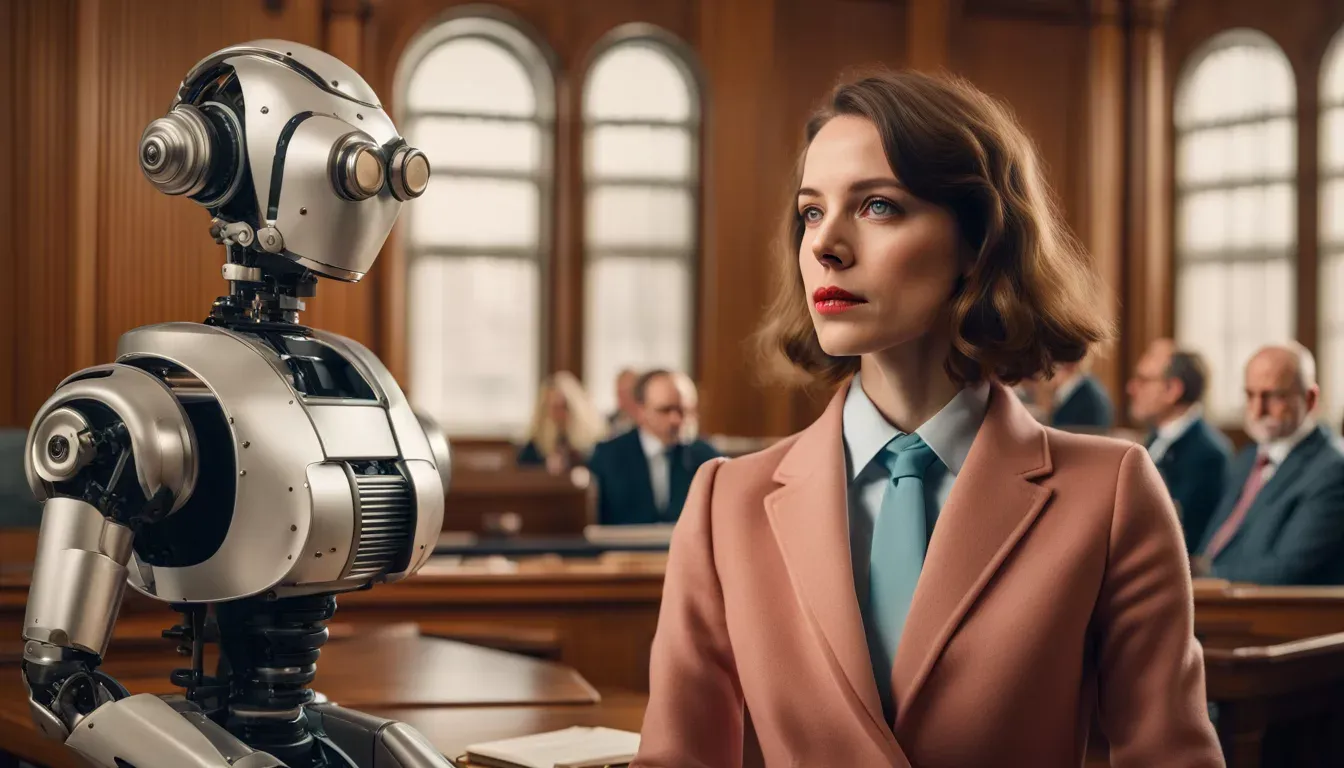
European privacy law and AI innovation collide, raising the question of whether regulation protects users or slows useful tools.