
The Machine Does Not Need the Jack
What if brain-computer interfaces need less bandwidth, not more? Conduit bets that faint neural hints plus powerful AI may be enough to turn thought into intent.
19posts
What if brain-computer interfaces need less bandwidth, not more? Conduit bets that faint neural hints plus powerful AI may be enough to turn thought into intent.

Nvidia showed that controlling the full stack wins. China’s AI chip race is less about silicon alone than escaping CUDA dependency.
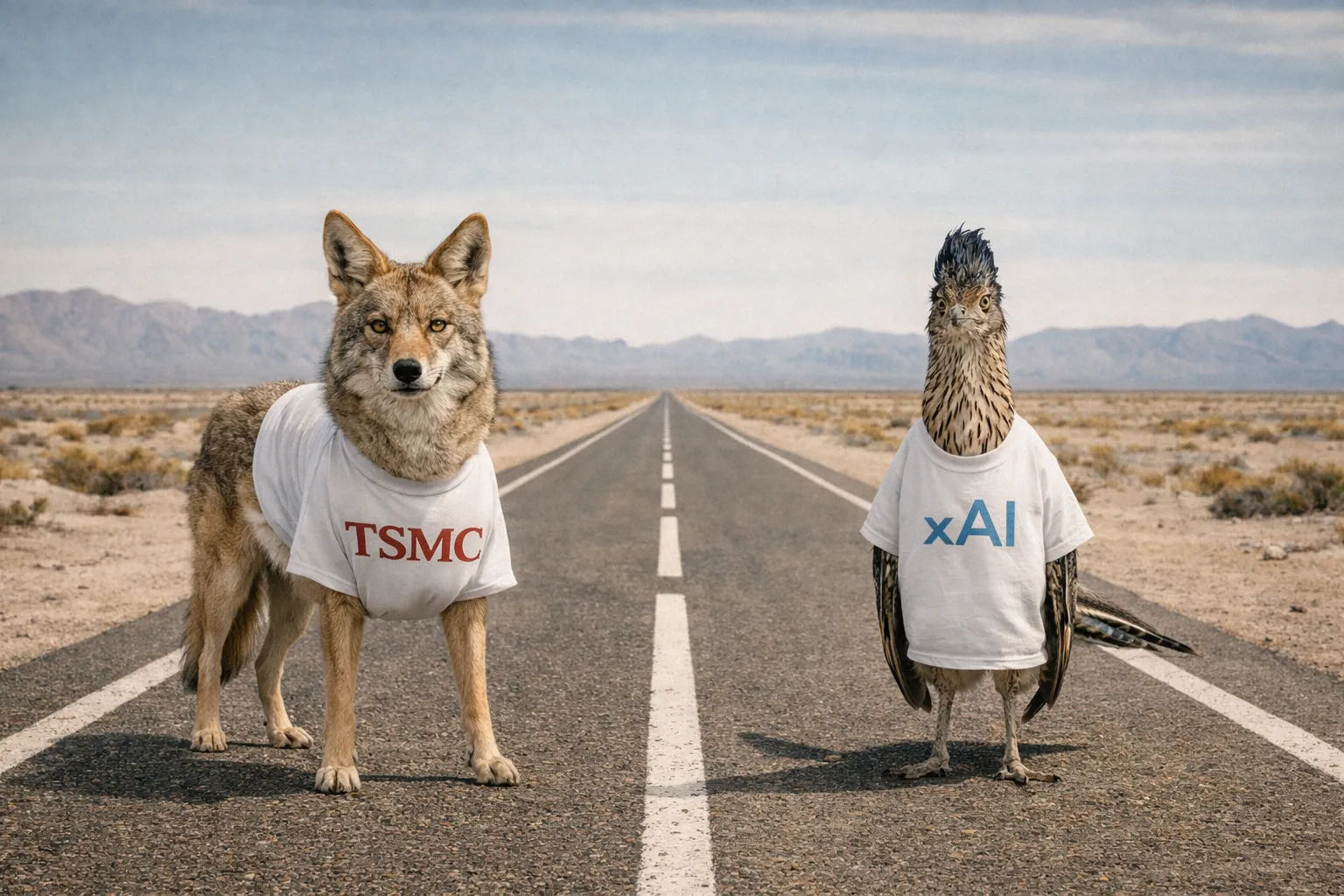
Musk's chip-factory ambition becomes a case study in impatience, vertical integration, and the difference between strategy decks and industrial action.
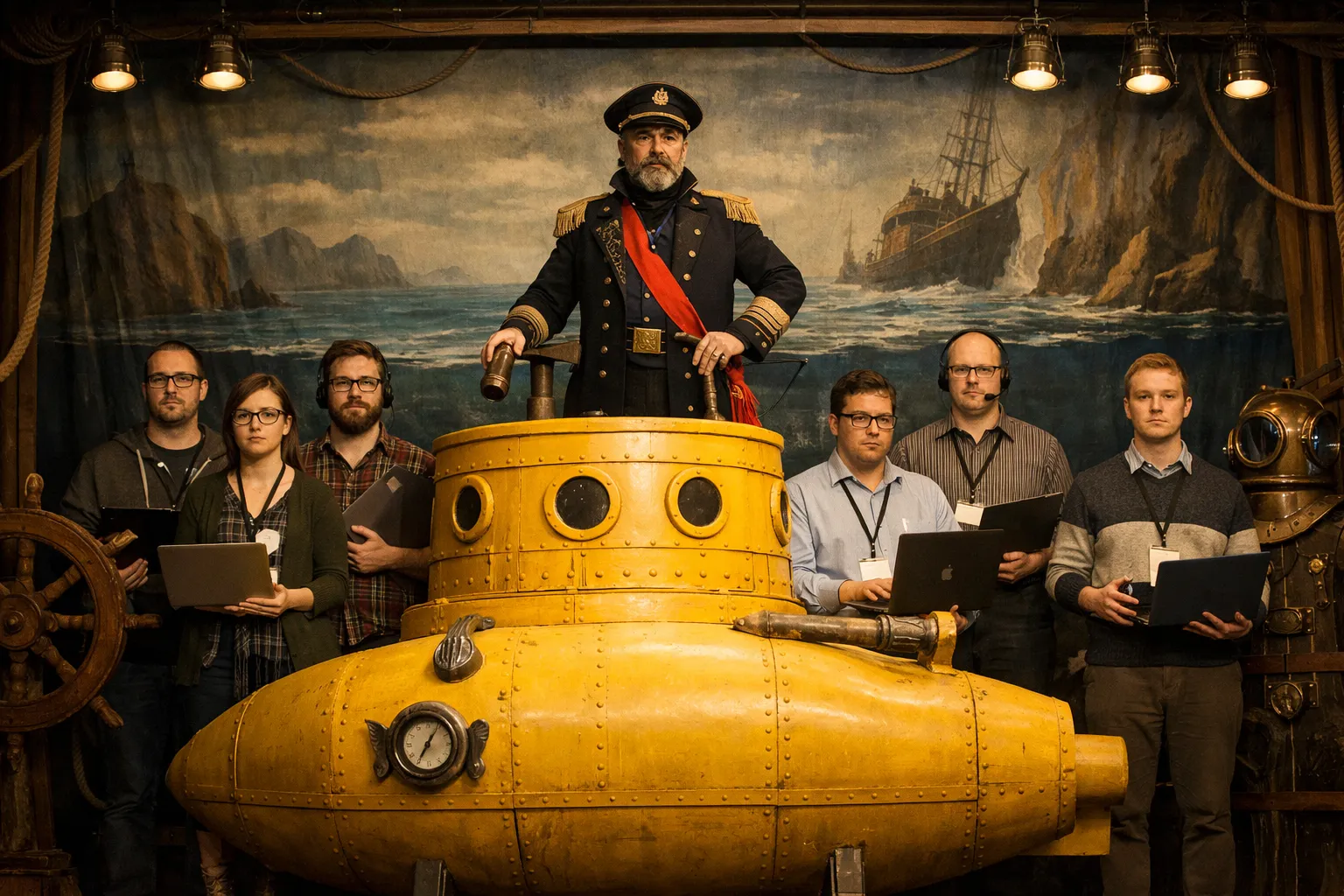
NVIDIA's NemoClaw is read as more than a framework: a sign that open AI agents are becoming infrastructure with teeth.

Apple Silicon's reverse-engineered Neural Engine revives the old personal-computing spirit of manuals, memory maps, and productive trespass.

A concise guide to model distillation as both useful compression technique and strategic attack surface in the LLM economy.

NVIDIA's PersonaPlex points toward voice agents that interrupt, overlap, and converse more naturally, with all the design risks that implies.

xAI's Colossus 2 announcement is less about one data center than about the escalating geopolitics and economics of compute.

Apple's image-editing research suggests smarter creative tools may learn from failed edits instead of hiding them.

Europe's Jupiter supercomputer is impressive, but the post asks whether regulation and dependency will blunt its strategic value.

Powerful opaque AI systems may create a new priesthood of interpreters unless access, literacy, and governance are designed differently.

Neural texture compression promises richer game graphics with lower memory costs, changing the pipeline for artists and developers.

From Cray supercomputers to Mac Studio clusters, the post traces the strange continuity of DIY AI horsepower.

DeepSeek's mathematical optimizations show how model design and NVIDIA communication infrastructure meet inside efficient training.

DeepSeek R1 disrupts the AI cost narrative, challenging Silicon Valley's assumption that frontier capability requires extravagant spending.

A machine-learning Christmas poem turns training runs, GPUs, and convergence into a festive technical fable.

AI faces its own version of the end of the free lunch, where growth runs into energy, hardware, and efficiency limits.
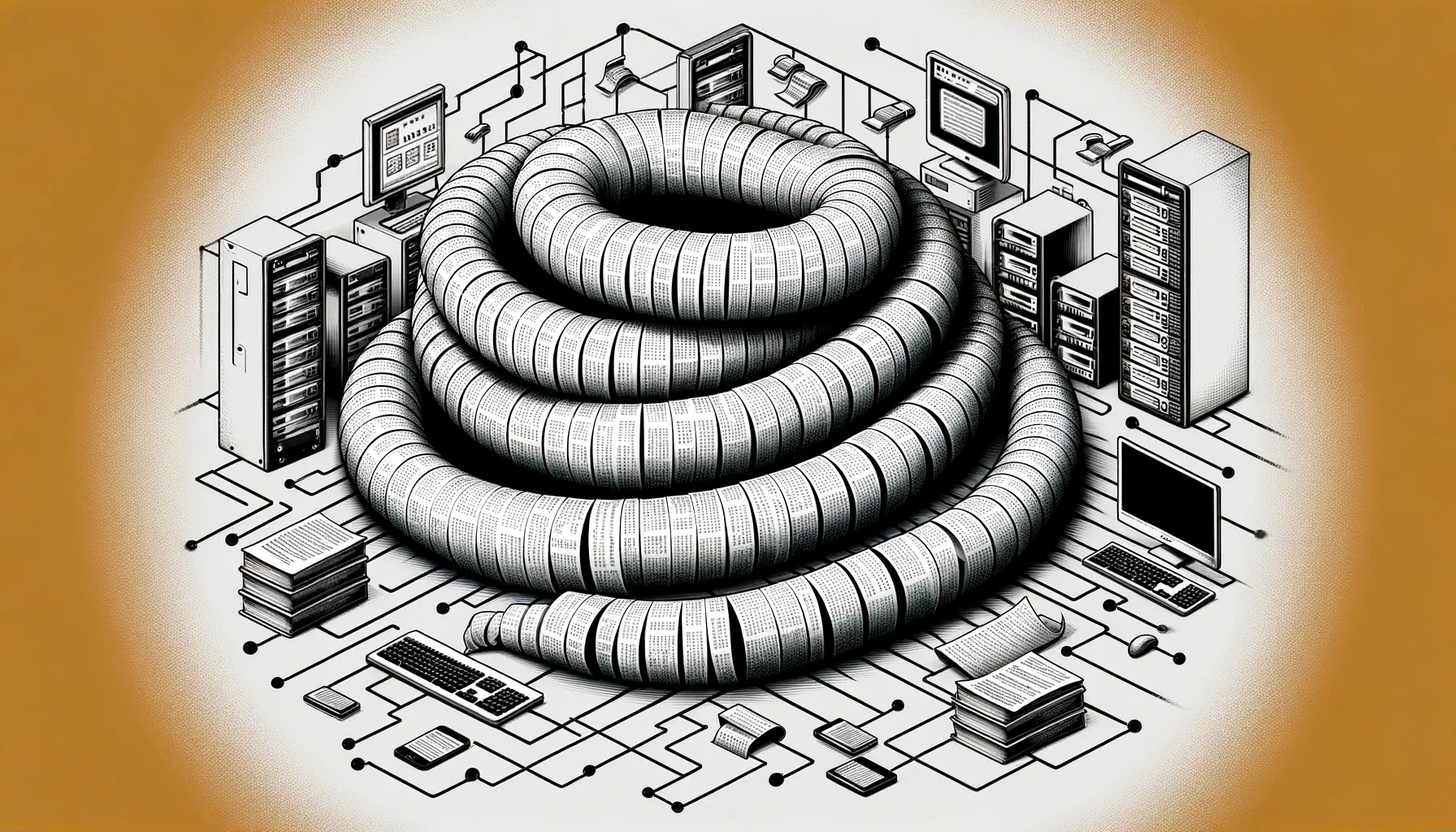
Computer viruses evolve into the GenAI era, where malicious behavior may target prompts, agents, and model ecosystems.

Two perspectives on LLM interaction reveal how user behavior and model dynamics shape each other in unexpected ways.