
An AI Walks Into a Bar, Eventually
Mobility data can teach AI how places work over time, grounding language models in urban life—though true spatial understanding still requires embodiment.
12posts
Mobility data can teach AI how places work over time, grounding language models in urban life—though true spatial understanding still requires embodiment.

What if brain-computer interfaces need less bandwidth, not more? Conduit bets that faint neural hints plus powerful AI may be enough to turn thought into intent.

Apple's sensor-fusion research hints at a privacy-sensitive future where models learn from multimodal context without simply grabbing more cloud data.
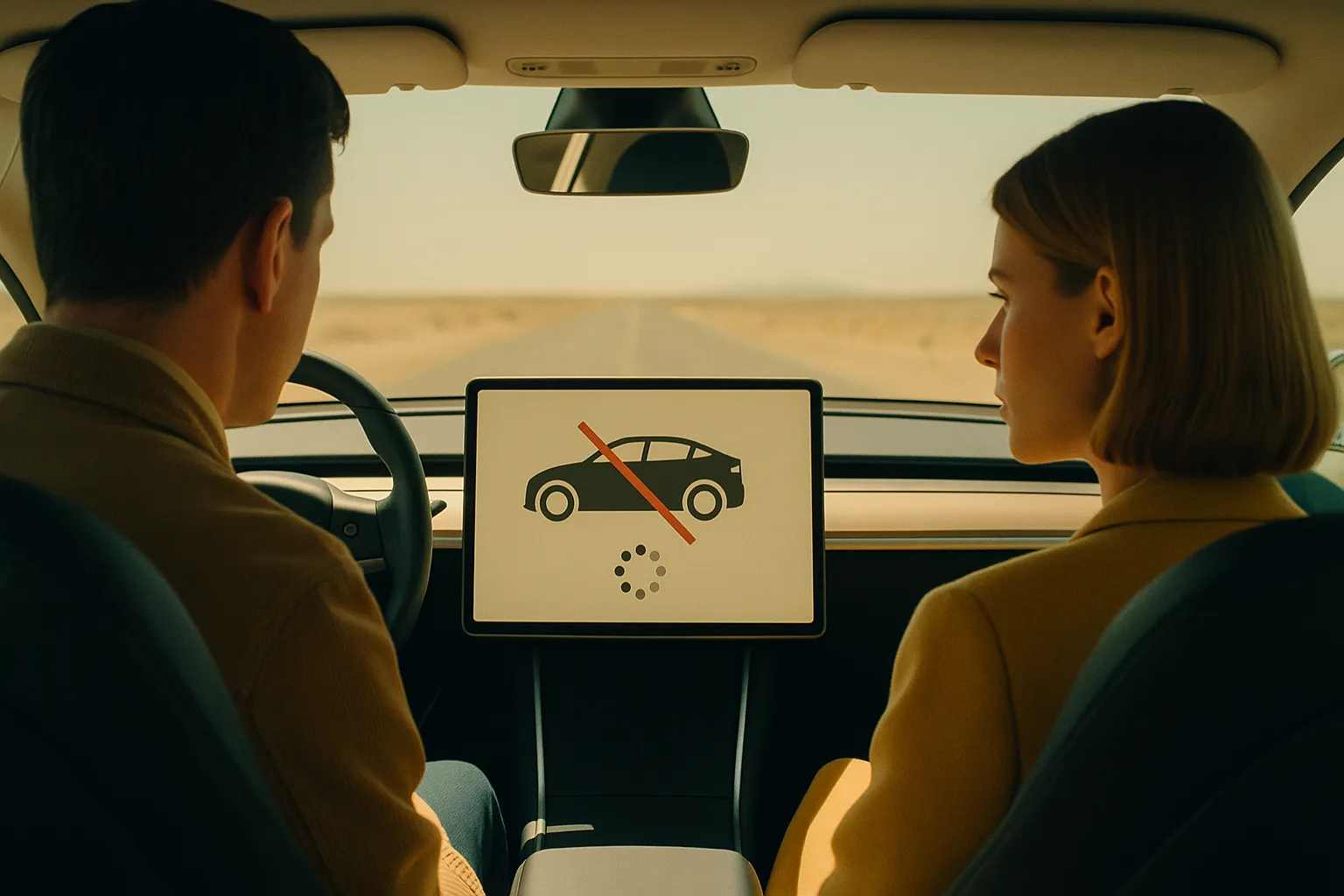
Musk's idea of using idle Teslas for inference turns a car fleet into a provocative vision of distributed AI infrastructure.
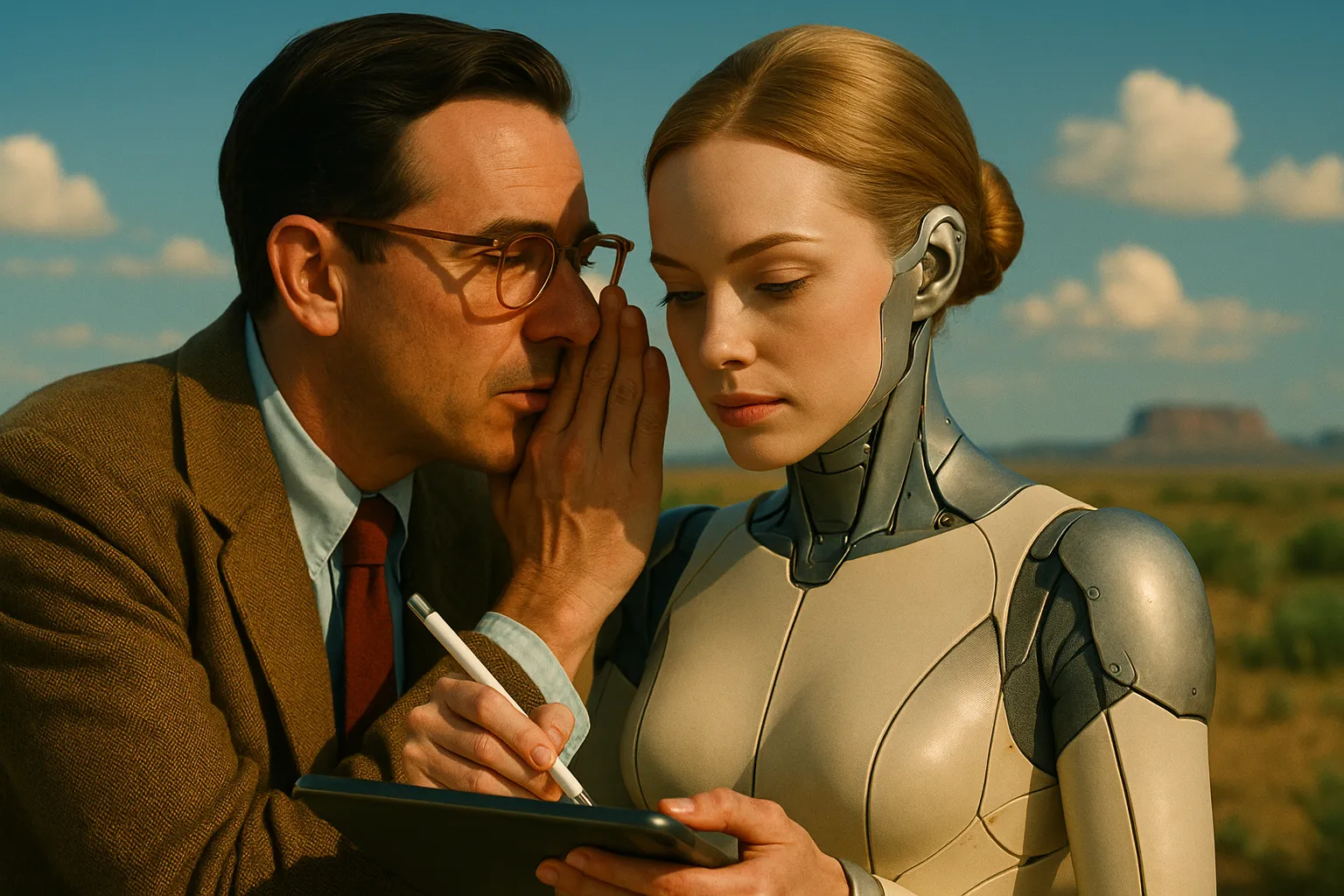
Apple's image-editing research suggests smarter creative tools may learn from failed edits instead of hiding them.

A decade after Her, the post asks how close today's AI companions really are to Samantha, technically and emotionally.

AI classroom companions echo William Gibson's fictional guides, raising questions about education, intimacy, and dependence.

Neural texture compression promises richer game graphics with lower memory costs, changing the pipeline for artists and developers.

SEAL points toward language models that rewrite their own training material, hinting at AI systems that learn after deployment.

A machine-learning Christmas poem turns training runs, GPUs, and convergence into a festive technical fable.

A year-end inventory of ten unresolved AI problems that still define the frontier despite rapid progress.

Multimodal LLMs are explained as a key step toward systems that can reason across text, images, and other signals.