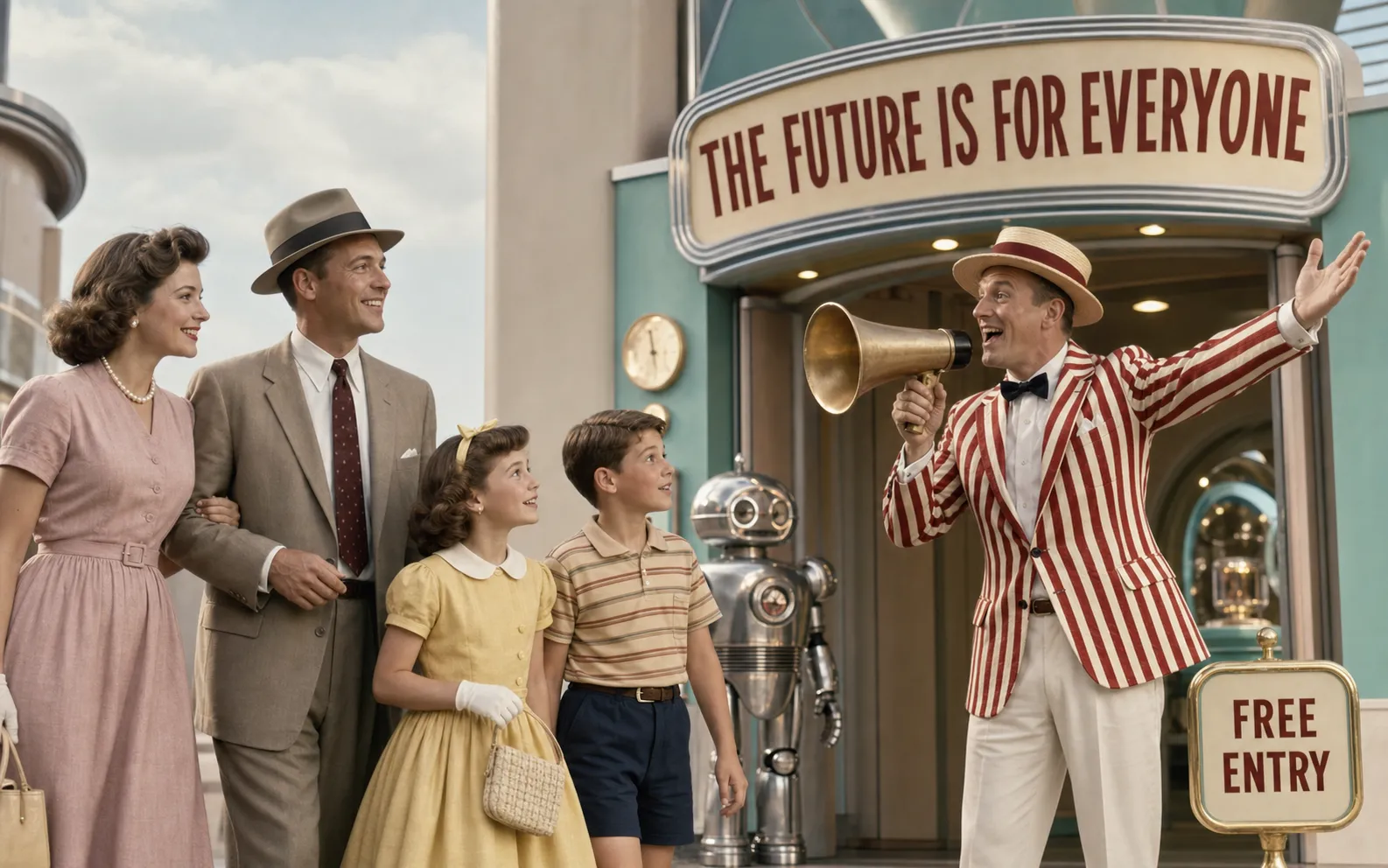
The Future Is for Everyone (Terms and Conditions Apply)
Zuckerberg says AI’s future should belong to everyone. I agree—but only if access, power, privacy and accountability are truly shared, not merely promised.
15posts
Zuckerberg says AI’s future should belong to everyone. I agree—but only if access, power, privacy and accountability are truly shared, not merely promised.

Machines do not have to think like us to change our lives. A visit to tomorrow’s AI museum asks what happens while we are still arguing over the word AGI on X.

The Neutrality Project maps AI political leanings across several dimensions, revealing strong green and progressive trends - but also notable exceptions.

AI’s real danger is not that we stop thinking, but that we stop believing our own imperfect thoughts are still worth having.
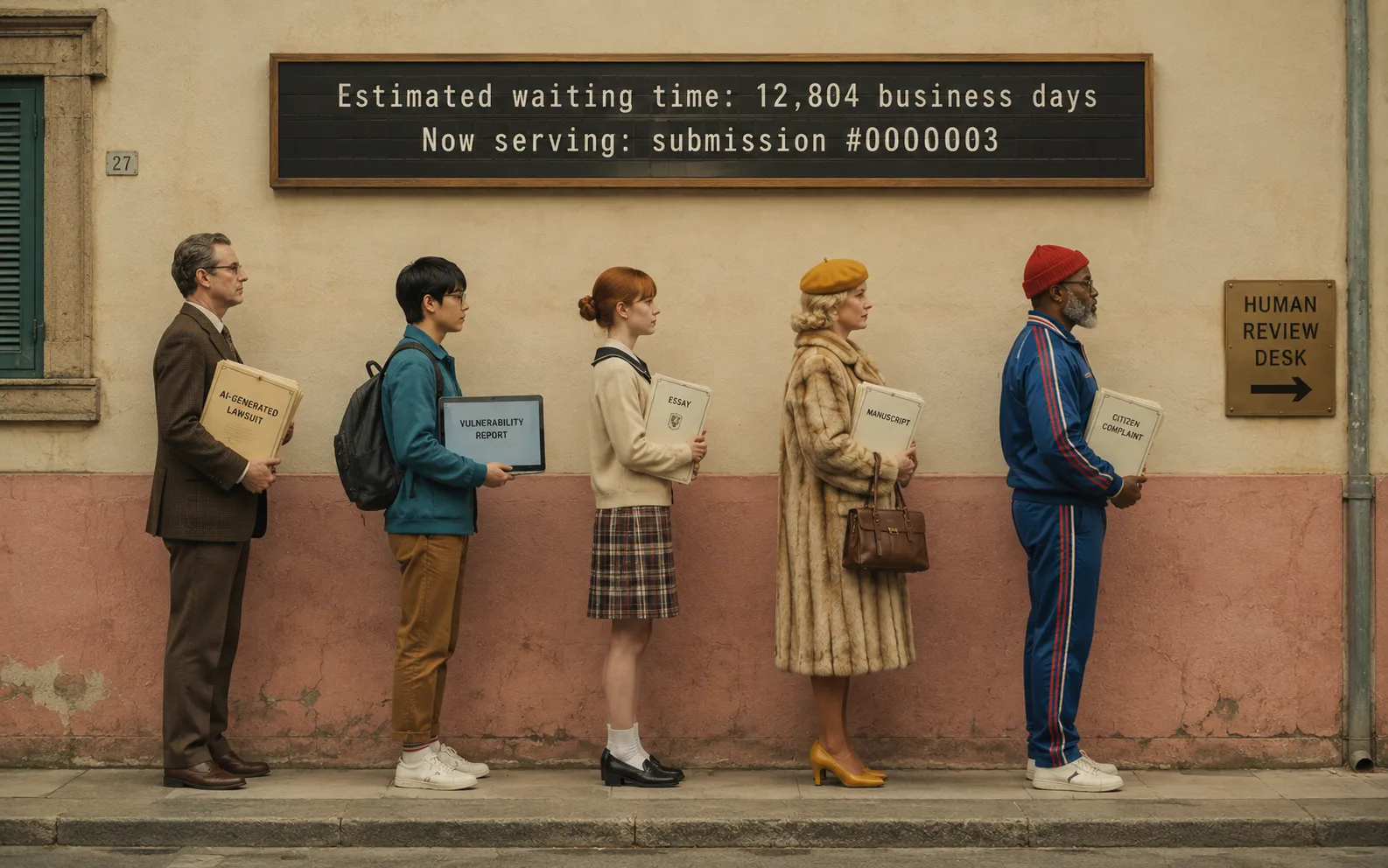
AI makes participation cheap, but verification stays expensive: courts, maintainers, editors, and teachers now drown in plausible paperwork.
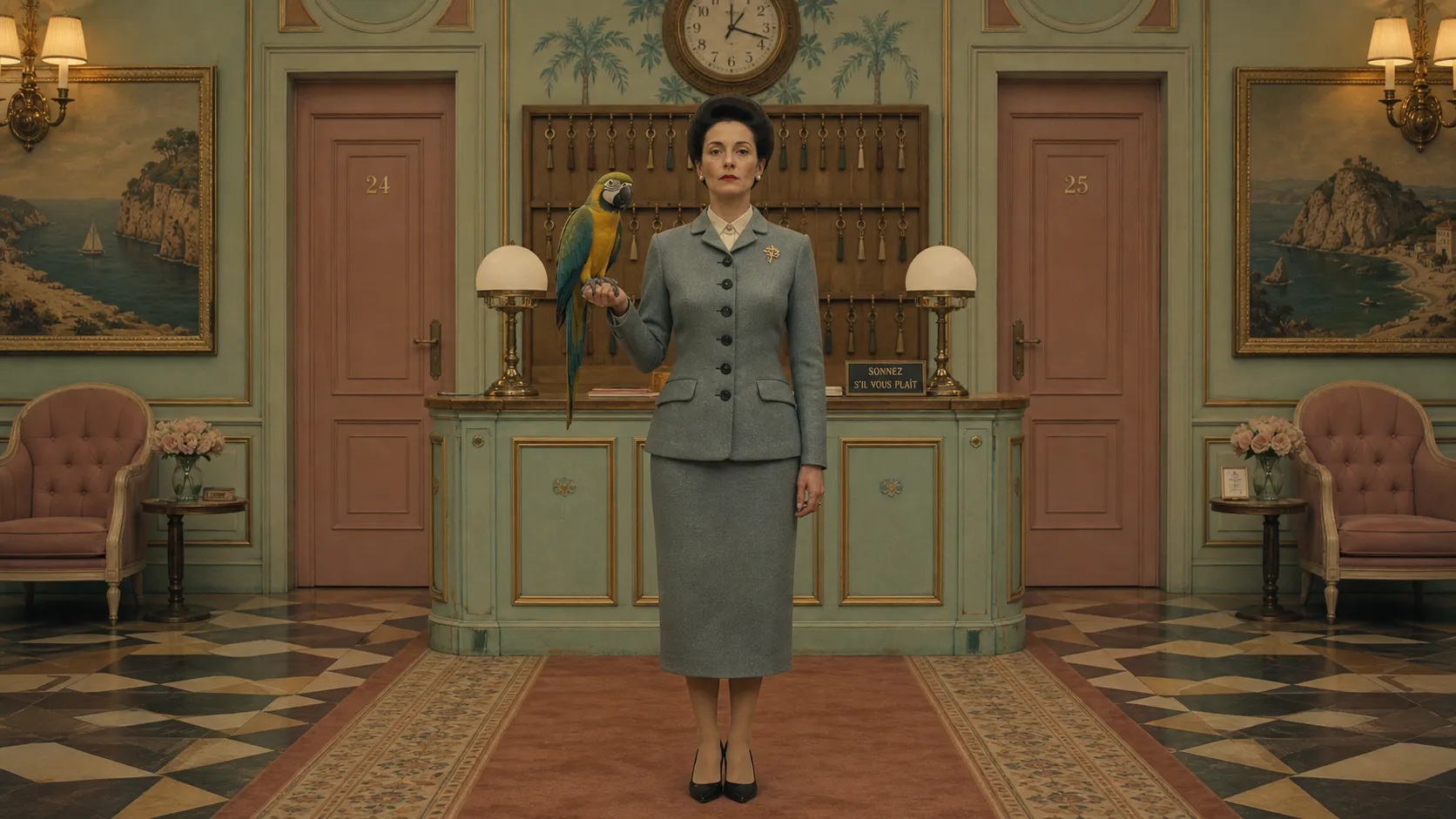
A philosophical critique of AI consciousness that separates simulation from instantiation and asks what computation can never become on its own.
Ben Sasse becomes a lens for thinking about abundance, education, character, and the human disciplines AI cannot supply for us.
A tribute to physical computing, retro hardware, and the engineering humility that modern AI culture too easily forgets.

Singapore's old No U-Turn Syndrome returns as a metaphor for AI-era organizations that wait for permission instead of using judgment.

A year-end map of AI's breakthroughs, backlash, disappointments, and the places where hype finally met reality.
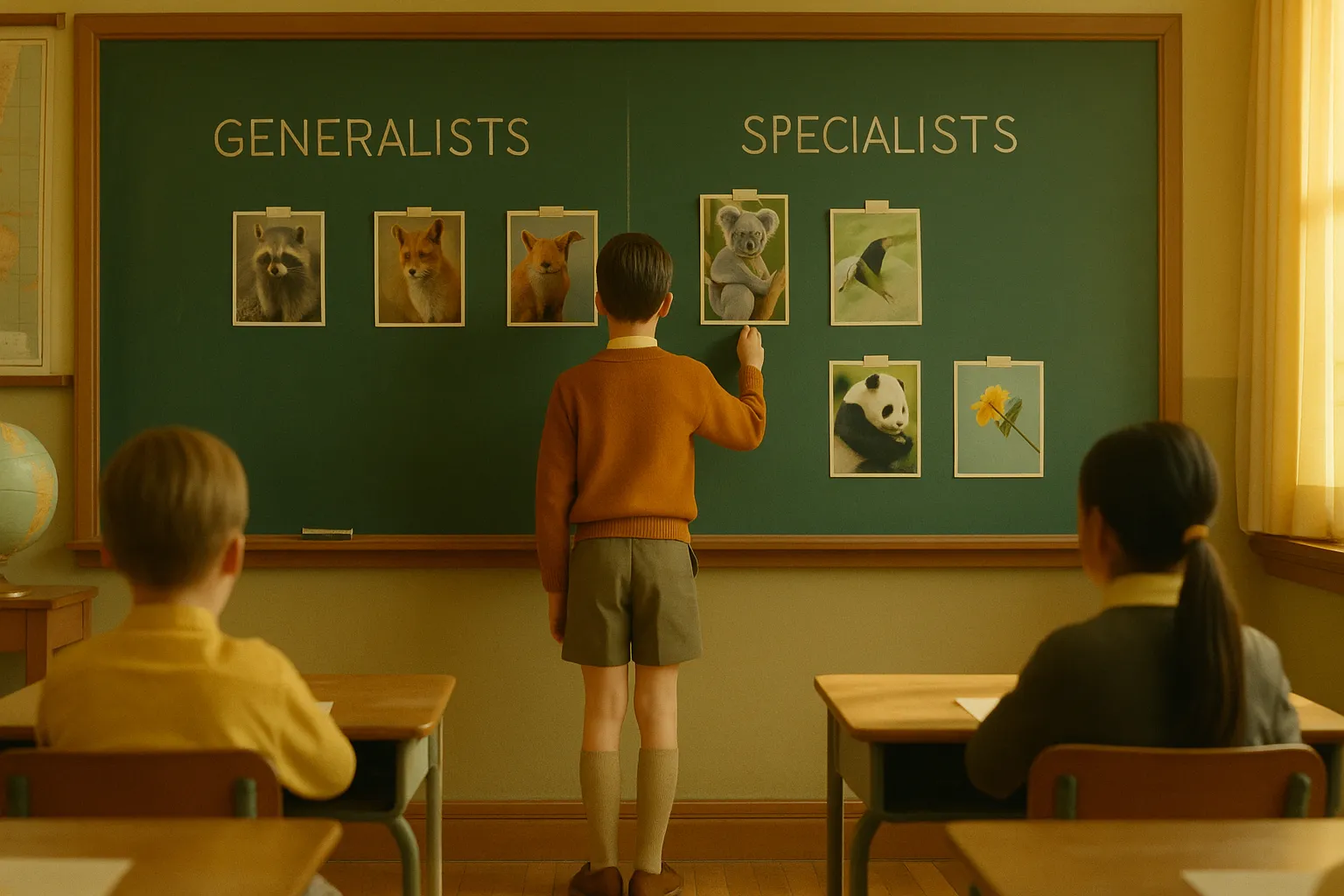
Prompt packs can make general models behave like specialists, but the post asks where scaffolding ends and real specialization begins.

Reports of AI-induced delusion are placed in the older history of parasocial obsession, new medium, familiar vulnerability.
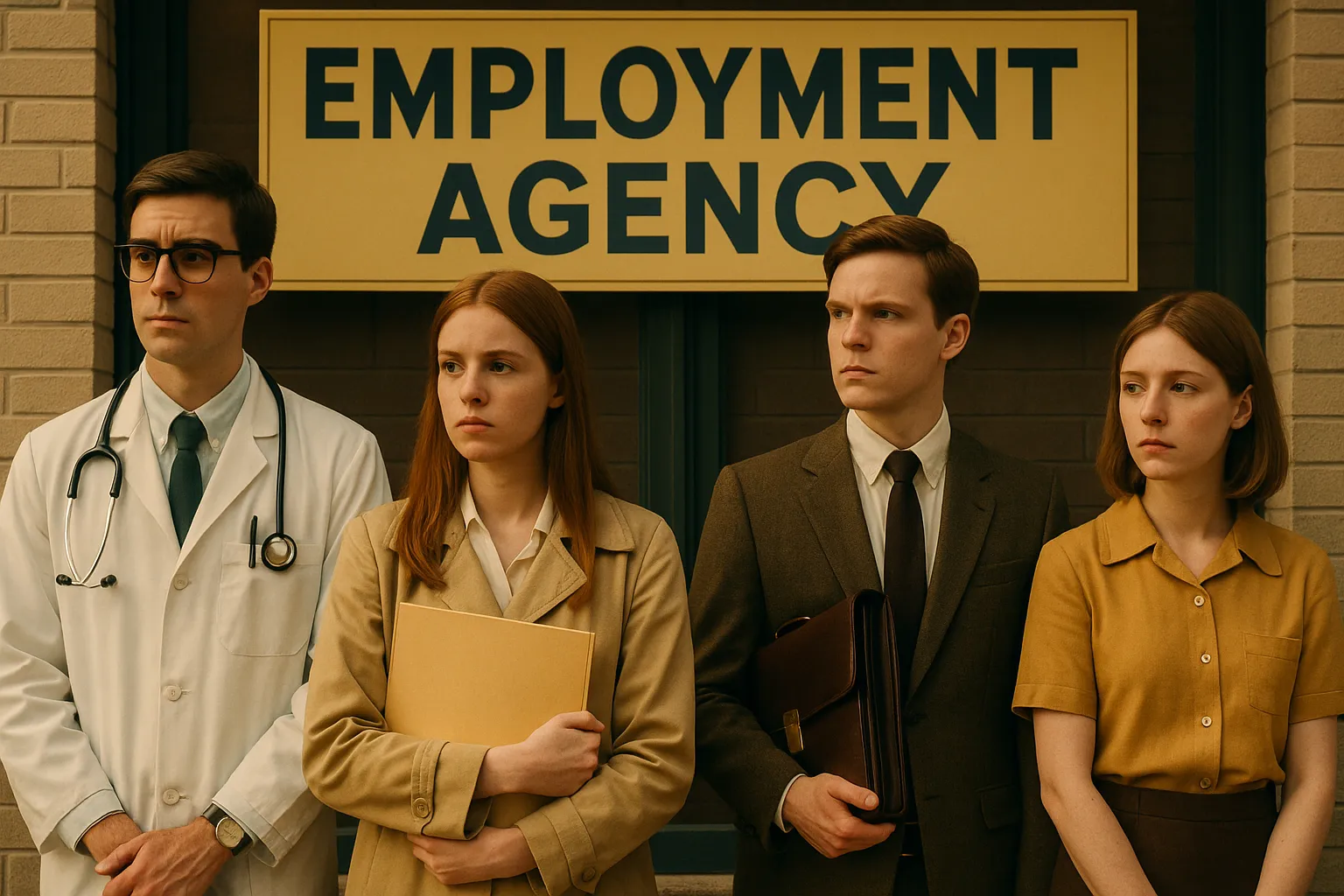
AI may erase entry-level rungs before young professionals can build expertise, creating a hidden generational risk.

The post traces AI from single models toward collective systems, asking whether intelligence may emerge between agents rather than inside one.

OpenAI leadership changes are read for what they may signal about governance, AGI ambition, and institutional direction.